BAN LOONG (萬隆號): THE LOH FAMILY'S HARDWARE SHOP ON LEECH STREET
IPOH – THE CITY OF MILLIONAIRES

A weighing-scale shop, a war, a community stopover, and a hotel more than 100 years later.
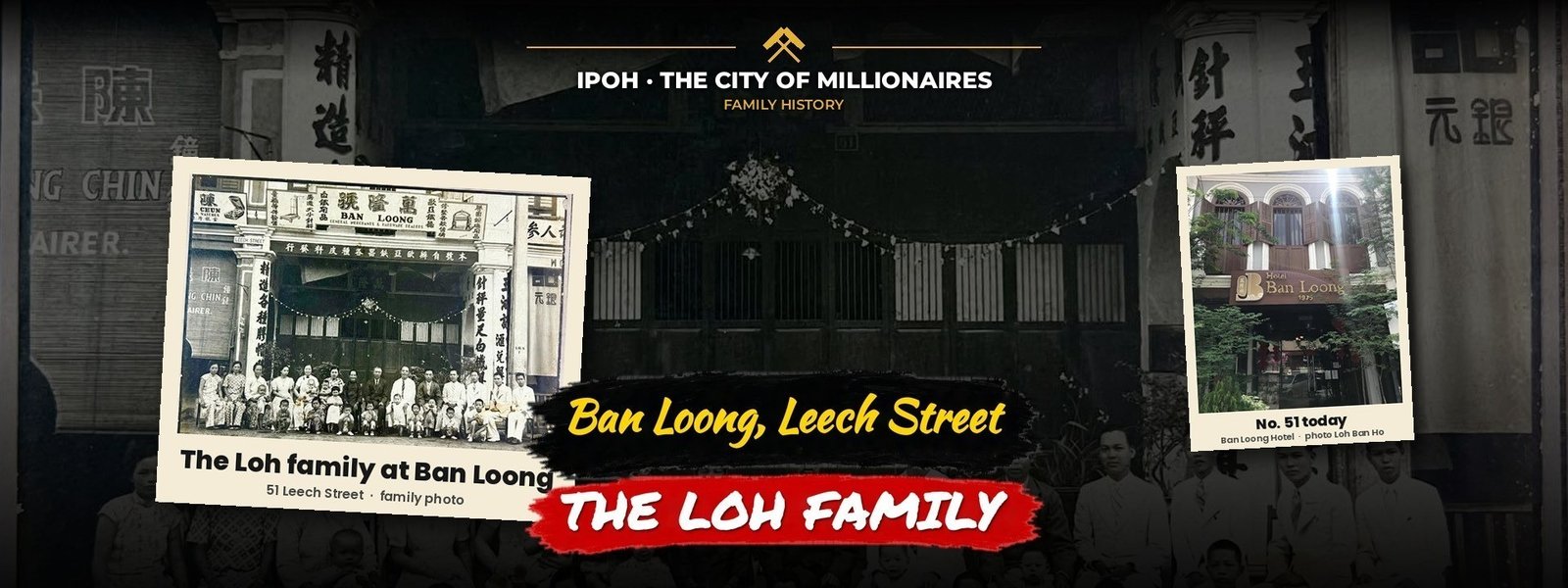
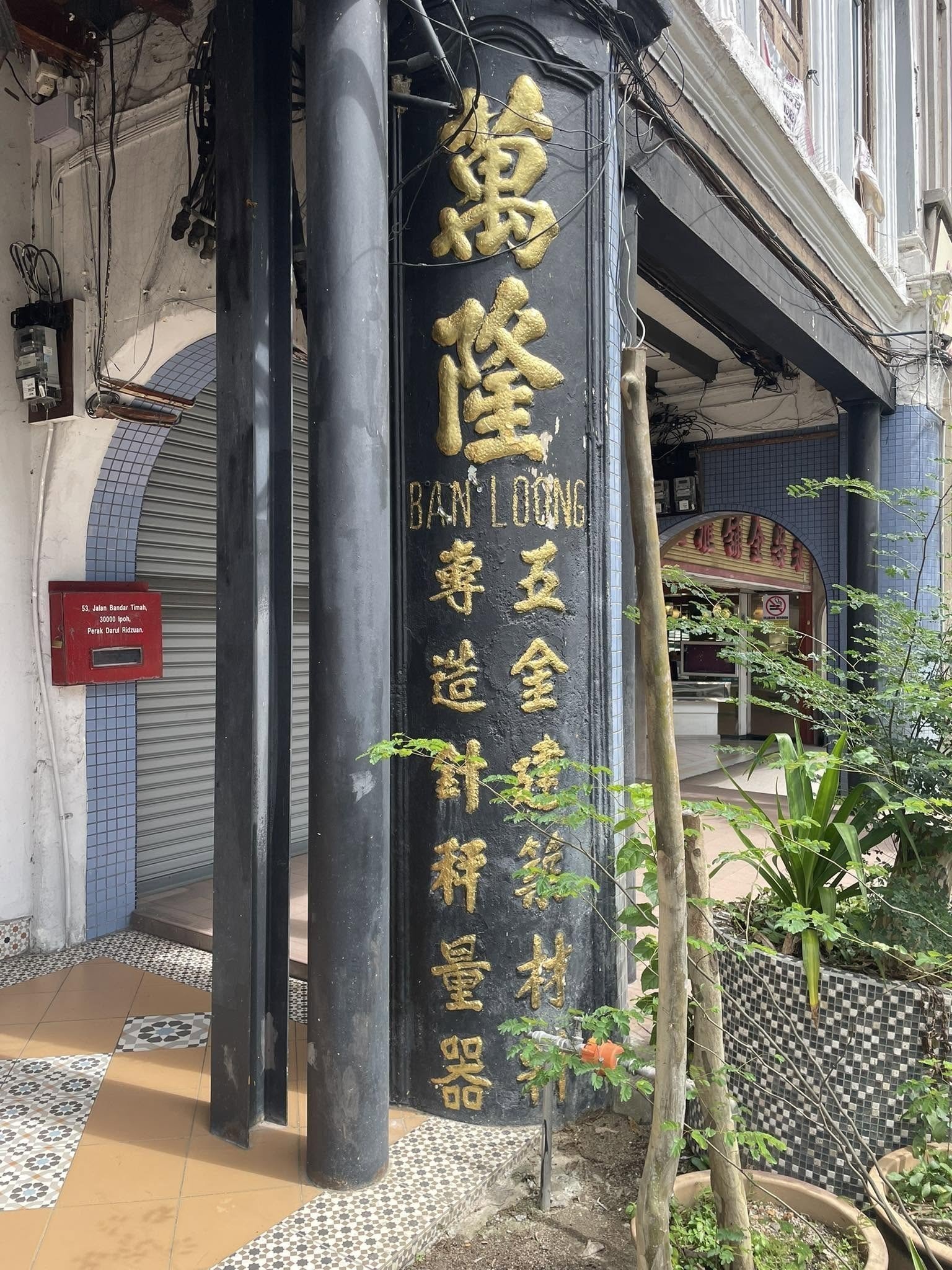
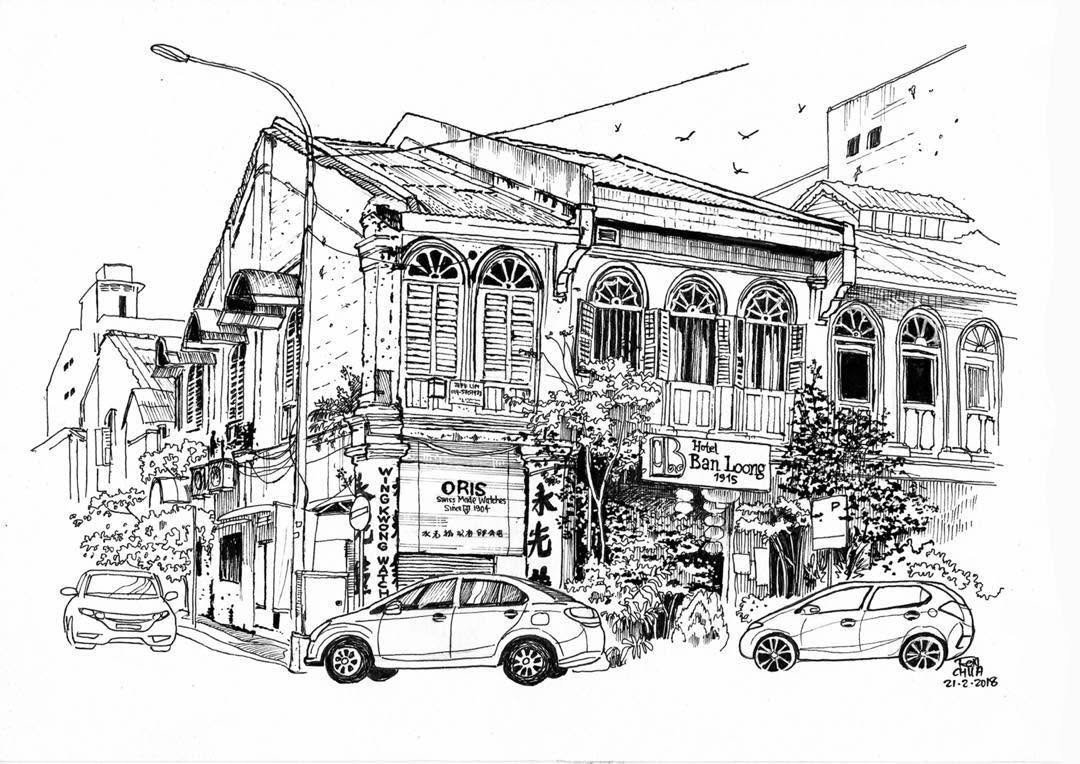
You've probably walked down Jalan Bandar Timah in Old Town, past the pre-war shophouses, without knowing that one of them has been home to the same family for five generations. Most of us still call it Leech Street. At No. 51 hangs a signboard that reads 萬隆號 BAN LOONG, General Merchants & Hardware Dealers.
The photo above comes from the Loh family. About 30 of them are posed in front of the shop: men in white suits, women in cheongsams, and a row of small children sitting at the front. We don't know the exact date. Going by the clothes and the signboards, it was probably taken somewhere between the late 1930s and the 1950s.
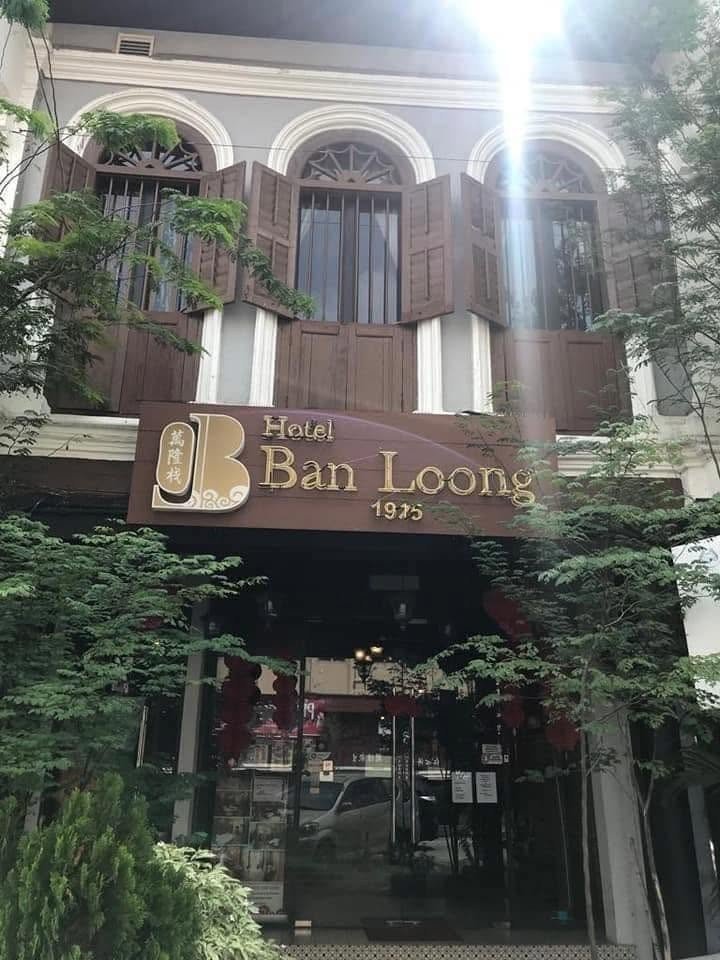
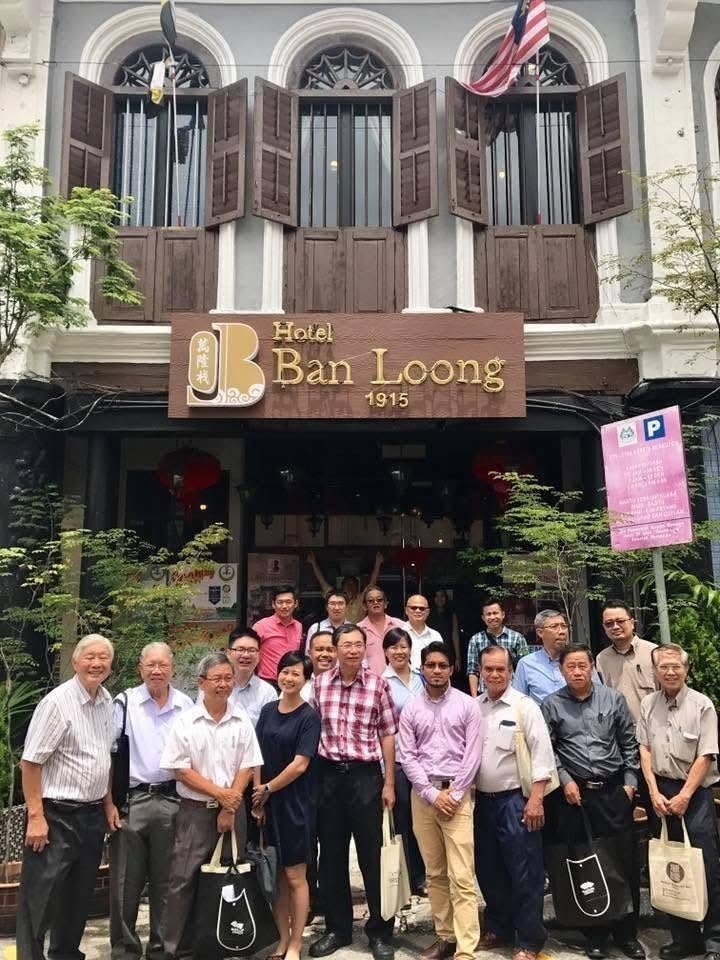
Today the building is the Ban Loong Hotel, a nine-room boutique hotel at No. 51 Jalan Bandar Timah (Leech Street) that opened in 2017 (banloonghotel.com). As far as we can tell it is still taking guests: when we checked in November 2026, booking sites were still listing rooms, though the hotel's own website wasn't loading. It's worth checking with the hotel before you go.
What was Ban Loong? Ban Loong was a general merchants and hardware business run by the Loh family at 51 Leech Street (now Jalan Bandar Timah), Ipoh. Family accounts say it began with weighing scales in the late 1920s and later grew into hardware. Since 2017 the building has been the Ban Loong Hotel, a nine-room boutique hotel.
From a village near Dabu to Sungai Siput
The story starts in China. The Lohs are Hakka. According to the family, Ir Loh Ban Ho's great-grandfather left a small village near Dabu (大埔, also written Taipu) in Guangdong, reportedly around the 1880s and came to Malaya for work. He settled in Sungai Siput and started a family there.
1926: a shophouse in the middle of Ipoh
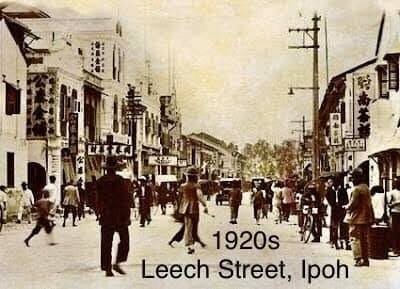
His son, Loh Mee Loon, reportedly bought the shophouse in the middle of Ipoh in 1926, when he was 23. The price is said to have been RM7,000. The building itself is reported to date from 1915.
Ban Ho once explained why, as the family remembers it:
"In those days, the British assumed you were a communist if you didn't own property. So my grandfather decided to purchase a shoplot to show that he was only an honest businessman."
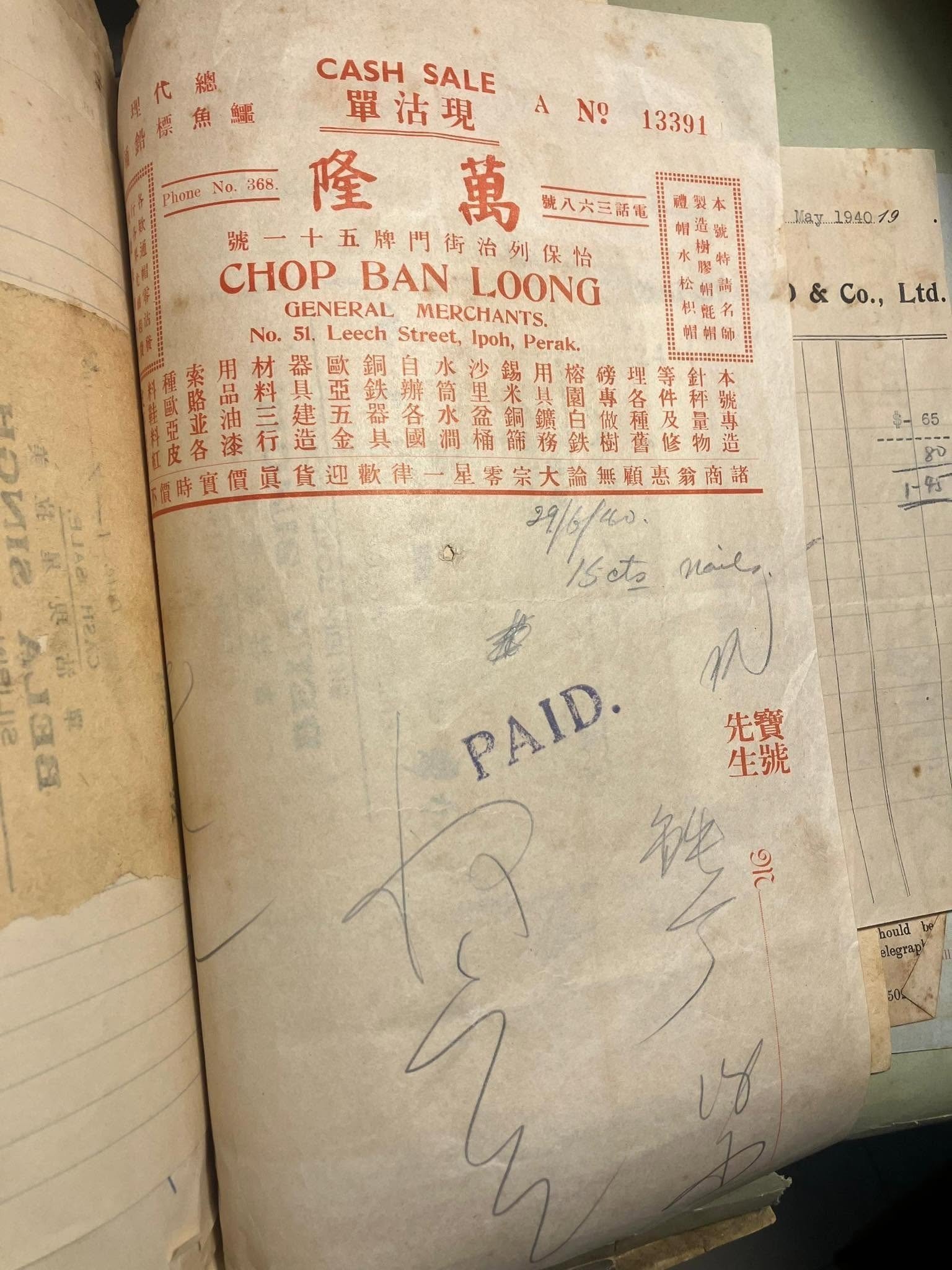
Around that time, Mee Loon learned the weighing-scale trade and opened his shop in the building. In a tin town, scales mattered, because everything was bought and sold by weight.

Scales, tin, hats and iron
Over the years the Lohs worked in many trades out of one narrow shop, about 20 feet wide and 120 feet deep. The family lists weighing machines, tin, hat making, iron galvanising and hardware, all under the name Ban Loong. You can see some of this in the photo. The signboards advertise iron goods, and one even has a drawing of a weighing scale.
By the family's account, World War II brought destruction to Ipoh, and Mee Loon moved further into hardware afterwards. That is what grew the business.
More than a shop
Ban Loong did more than sell nails and scales. The family says it gave meals and rooms to migrant workers and their families who were arriving in Ipoh.
"People used to come to the store looking for their relatives. The store took on the role of a community centre."

Saving the building
The hardware shop kept going until fairly recently. By the family's account the shutters came down around 2010, and they say the GST years made business hard.
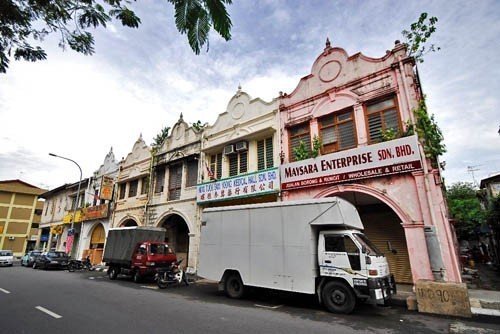
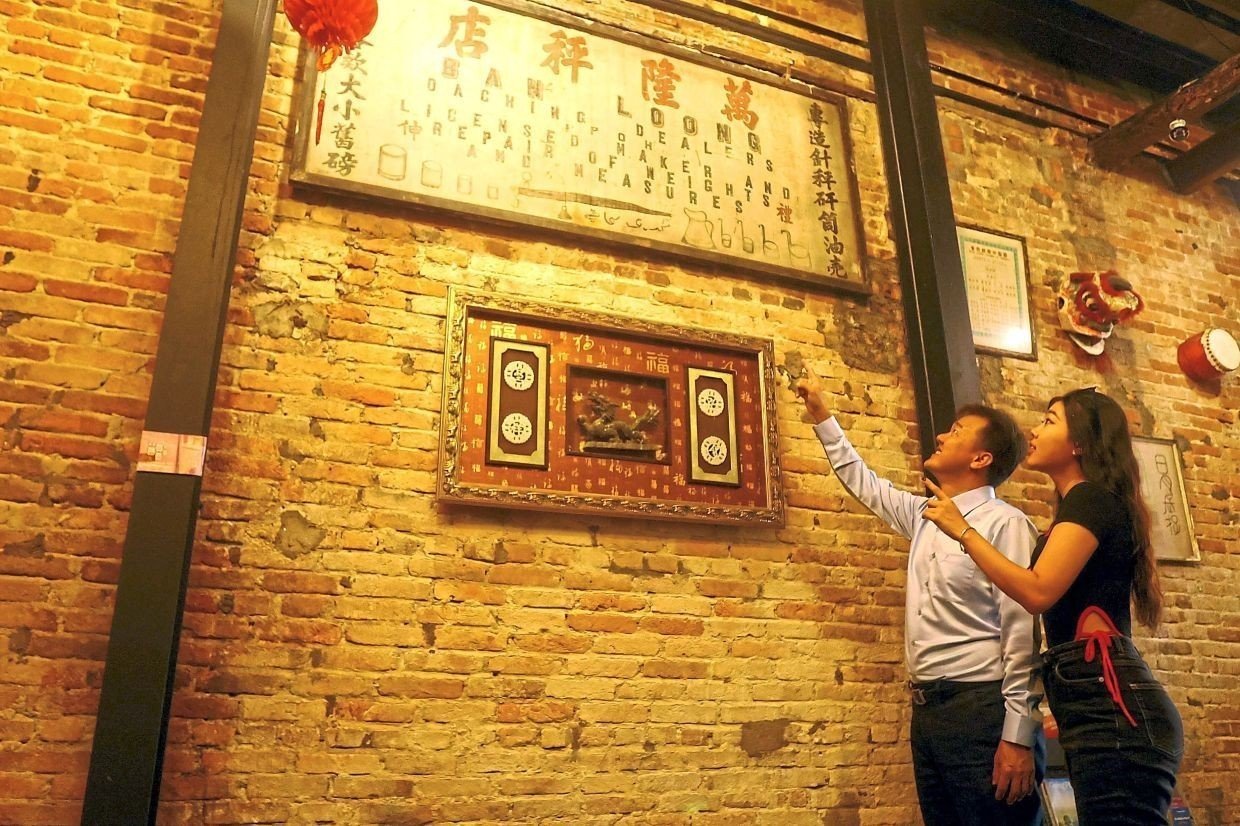
The late Micheal Loh Yoon Khoon, a contractor who grew up in the building, led the family team. His son, Ir Loh Ban Ho, is an engineer and the fourth generation. Restoration started in 2015, and Micheal led the works. They didn't replace the old shophouse. They built a full steel structure inside it, "a shop within a shop", so that the 1915 brick walls no longer have to carry the weight. The original timber beams were kept, and so was the old Ban Loong signboard, which the family dates to around the late 1930s.
They also laid a raft foundation instead of piling, because vibration from piling could damage the neighbouring pre-war buildings.
"We basically built a new building within the old one. Only by maintaining the original bricks and mortar could we adequately portray the history and stories that still live in the building."
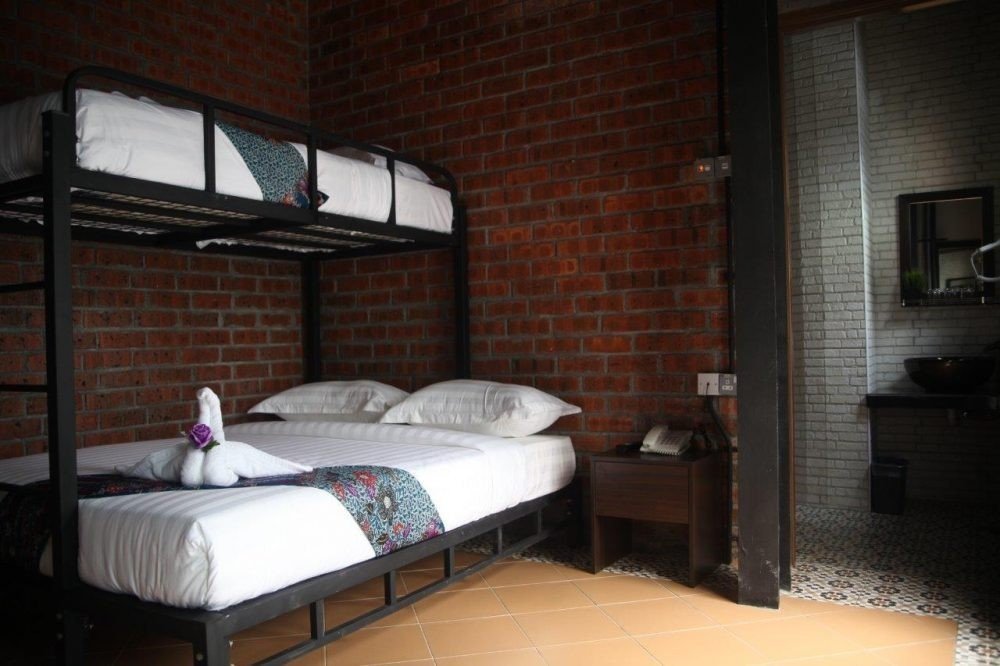
Ban Loong Hotel opened in 2017 with nine rooms. The restoration was reportedly shortlisted for the Malaysian Construction Industry Excellence Awards (MCIEA) in 2019. About 90 years after the shop first put up migrants arriving in Ipoh, the building was taking in travellers again.
The family still looks after it. In September 2025, for Malaysia Day, Ban Ho and his children reportedly repainted the old gold "Ban Loong" lettering on the columns.



Here is what we can learn from them
Own something that anchors you. A young man of 23 bought a shophouse, and his family still stands on it almost a century later.
Sell what your town needs. In a tin town that meant scales, and after the war it meant hardware.
Be useful beyond the till. Meals, rooms, and a place where people came looking for their relatives. That kind of goodwill lasts longer than any one product.
Change the business, keep the bones. When the hardware trade faded, the family didn't sell the building. They found a new use for it and kept its story. Today it is a nine-room hotel.
This story is shared to the best of our knowledge and may not be fully accurate. It draws partly on personal and family accounts, which are subjective and shaped by their time and context.
Harry Seggu
Founder, Ipoh – The City of Millionaires