The Chews of Ipoh: Chew Boon Juan and the Four Brothers Who Built Ban Hoe Seng
YLCO FAMILIES | PART 3 OF 10
He came up the Kinta River in 1892 and started in a tin-mine kitchen.
A shipwreck, a fortune teller and a brother's death later, Ipoh named a road after him.
If you have driven around Ipoh, you may have passed a road sign that reads JALAN CHEW BOON JUAN. Most of us read the name, and drive on.
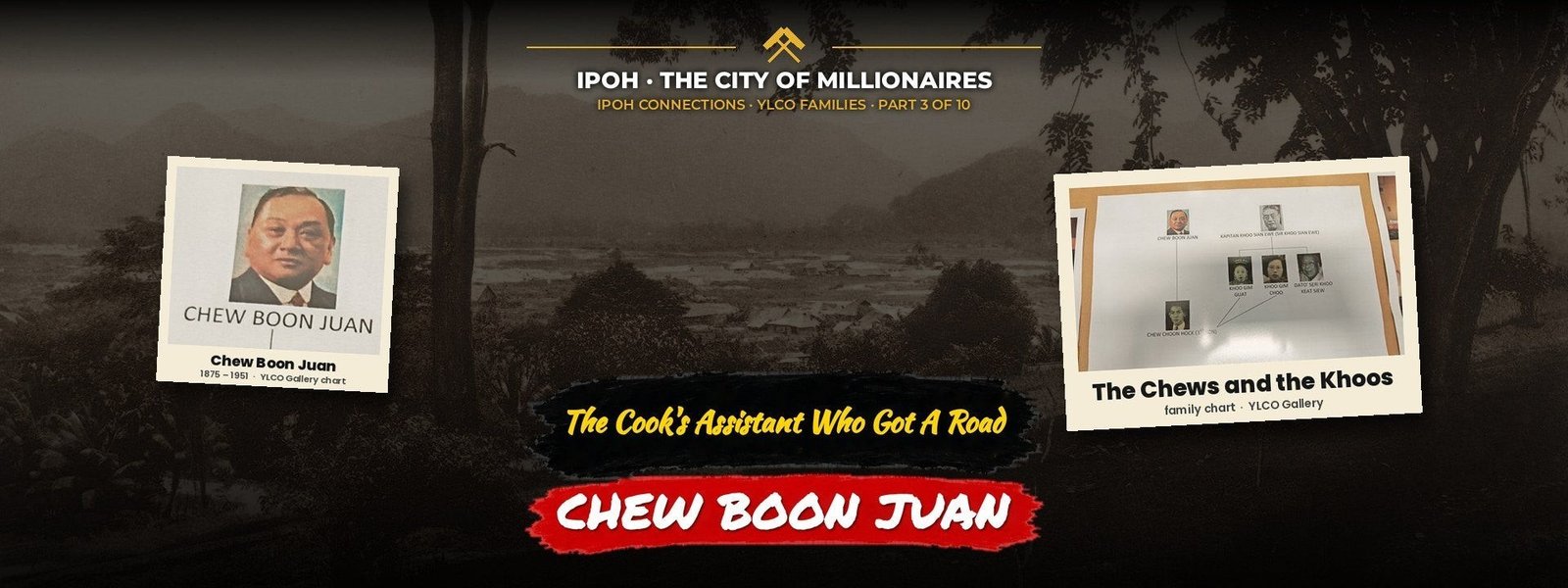
The panels of the YLCO Gallery of Families, The Living Archive (formerly the YLCO Museum), at No. 1 Jalan Lasam since 2022, tell you who he was. He arrived in 1892, and, the panels say, "He started as assistant to cook."
So how does a 17-year-old cook's assistant at a tin mine end up with a road in his name?
Hold on to that question. We will come back to it.
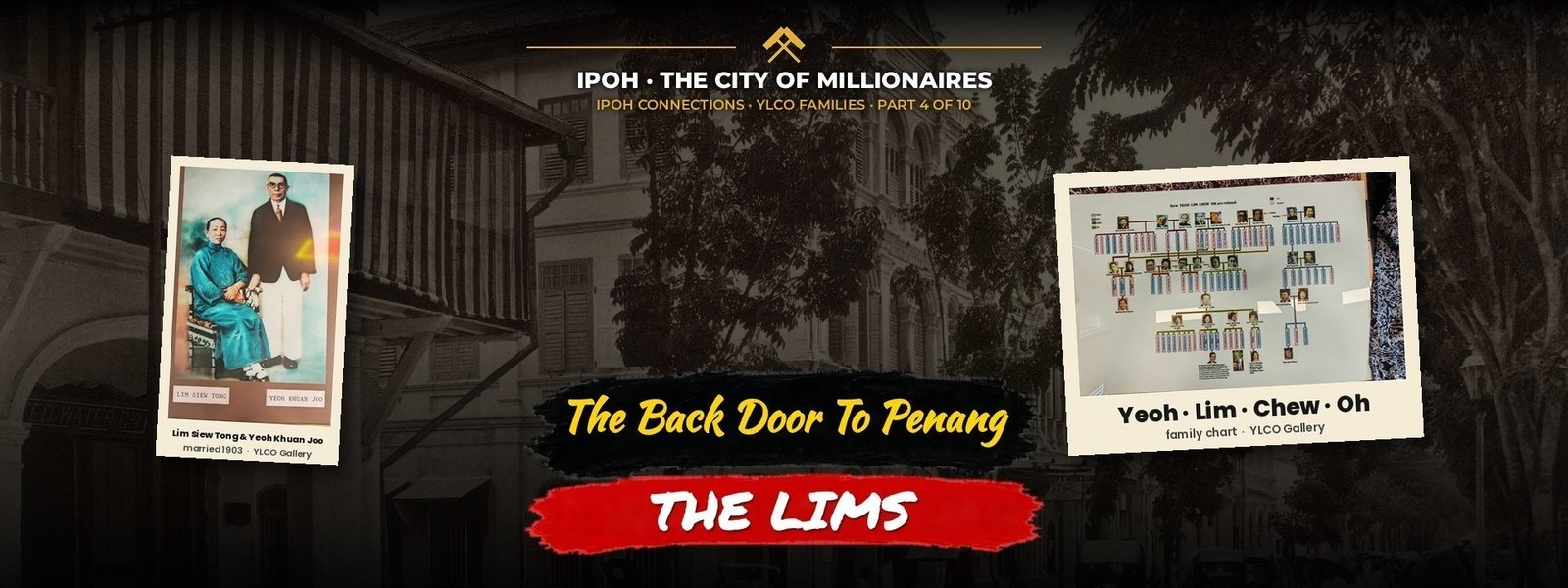
Previously in Part 2: we met the Yeohs, and Yeoh Khuan Joo, the clerk who became a textile merchant and drew up a list of names for descendants he would never meet. Today, we meet the Chews: Ignatius Chew's own grandfather and his brothers.
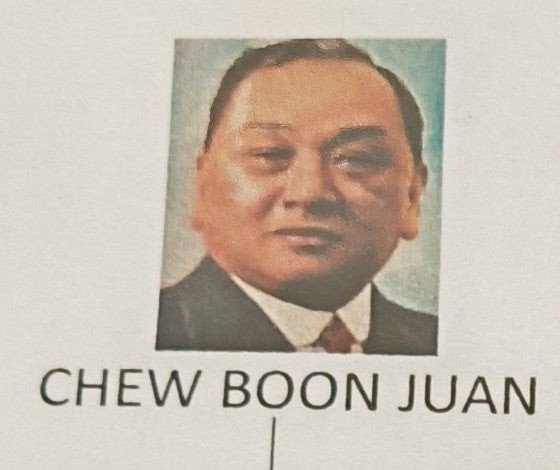
WHO WAS CHEW BOON JUAN?
Chew Boon Juan (1875–1951), by the museum's panels, was a tin miner and trader who came to Malaya in 1892 to work for his uncle, Chew Si Pian, and went on to co-found Ban Hoe Seng, the Ipoh company whose motor arm, by the family's account, became one of Malaysia's early Honda dealerships. He is the grandfather of Ignatius Chew, founder of the YLCO Gallery.
UP THE KINTA RIVER
His journey, as the panels tell it, went like this.
He took a boat to Teluk Anson, then a steam boat up the Perak River. Where the Perak and Kinta rivers meet, he changed to a smaller boat. In 1892, he travelled on up the Kinta River to the river port of Kota Bharu (the Kota Bharu in Perak, near Gopeng, not the capital of Kelantan). From there, the panels note, "Immigrants would walk from Kota Bharu to Gopeng...16km".
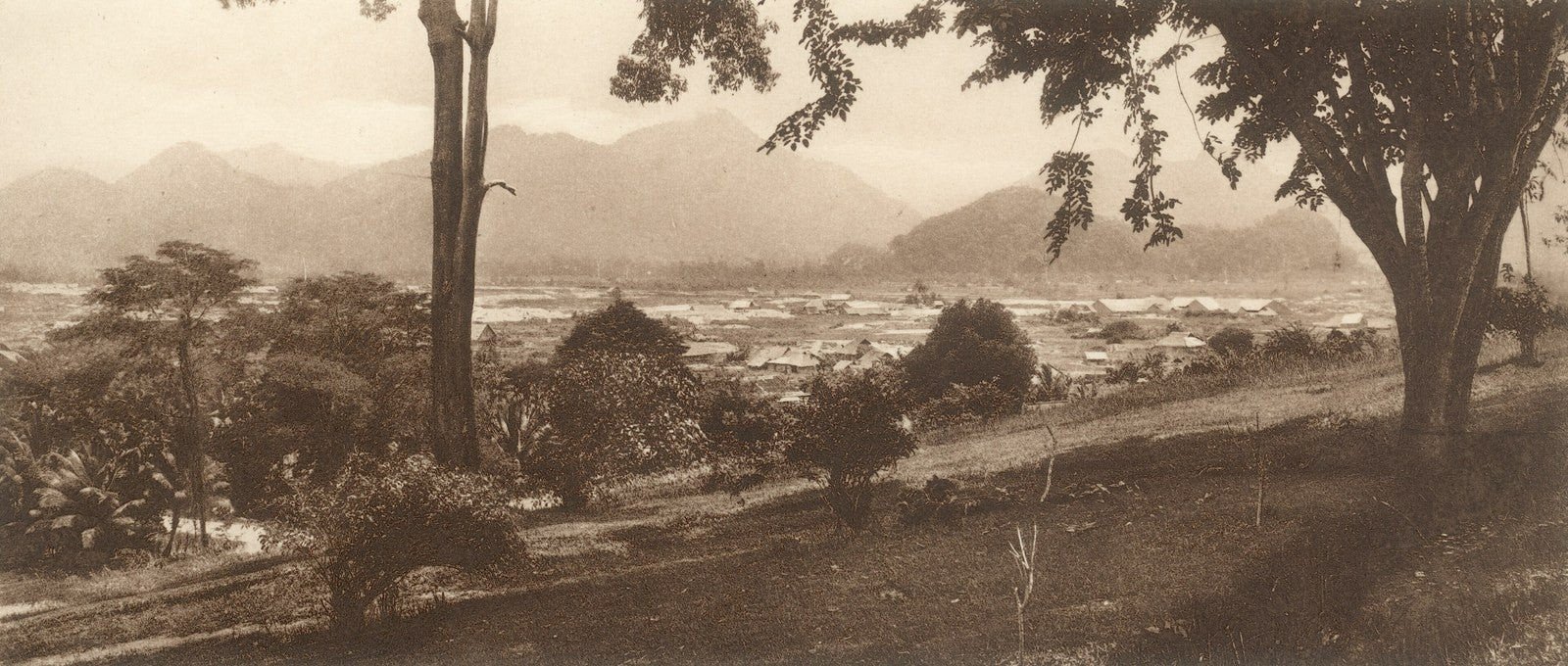
At the Ban Chin Hoe Tin Mine, he met his uncle, Chew Si Pian. "He started as assistant to cook." (A local paper says he was 17, and a kitchen assistant at a tin mine at Kampung Kepayang, near Simpang Pulai.)
"Being likeable, intelligent & hardworking", the panels say, he became his uncle's personal assistant in 1896.
THE SHIPWRECK AND THE FORTUNE TELLER
Then came the turning point.
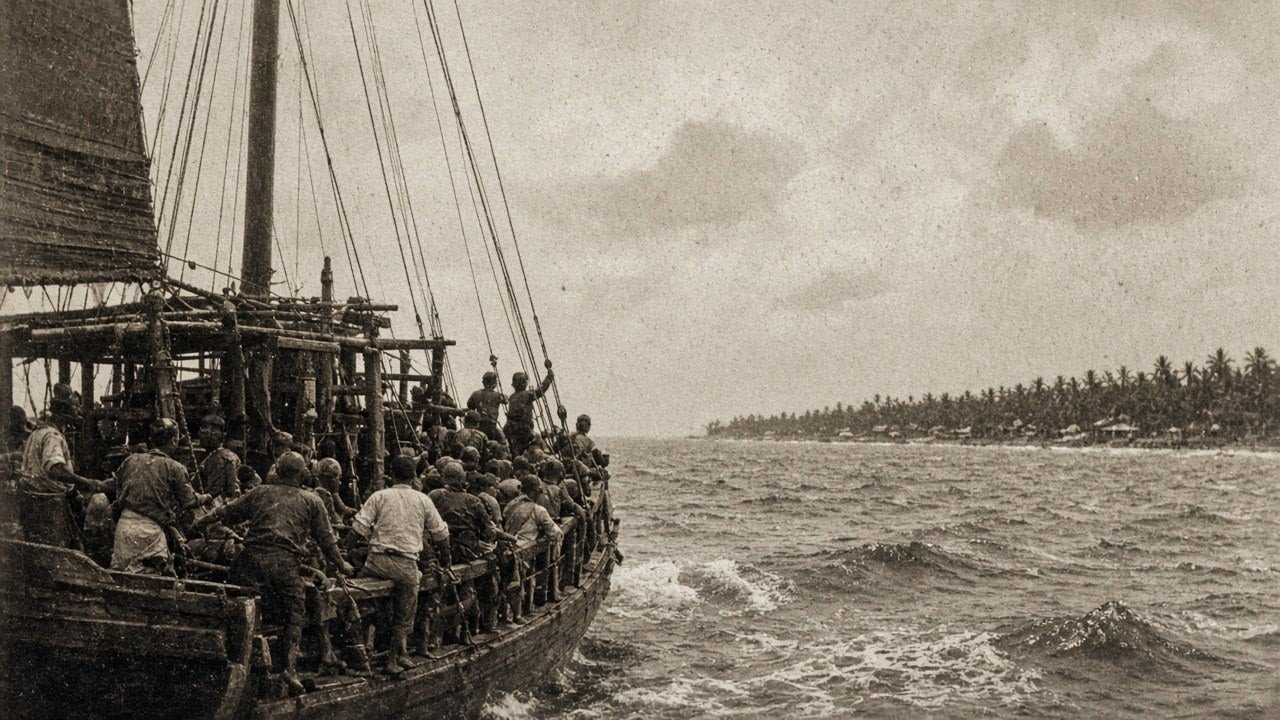
In 1897, on his way back to China for a holiday, Uncle Chew was saved from a shipwreck. In China, a fortune teller warned him not to return to Malaya, "or worse things would happen to him".
He listened. He retired and sold his company, Ban Chin Hoe, to his "most trusted and competent relative": his nephew, Chew Boon Juan.
Five years after arriving as a cook's assistant, Boon Juan owned the business. He did what he would do again and again: he sent for a brother.
BROTHERS BY BULLOCK CART
The panels call them "The Four Chew Brothers, 1873 to 1965".
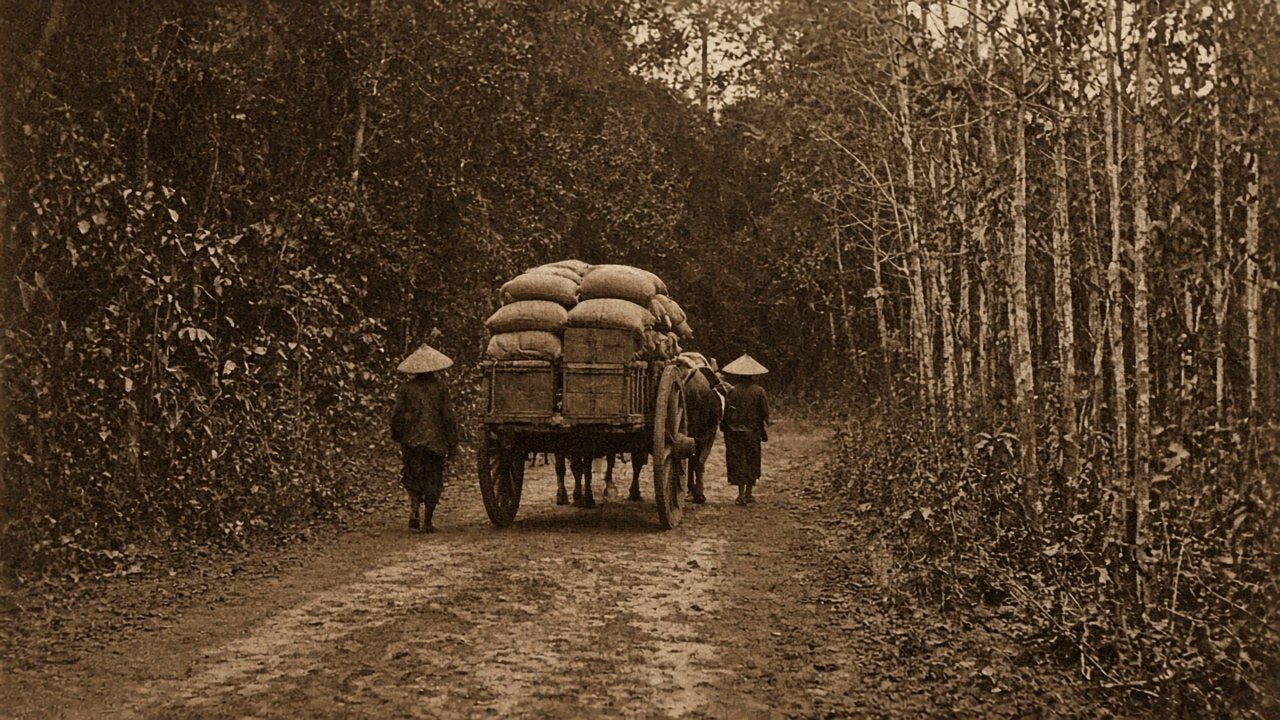
His elder brother, Chew Boon Seong (1873–1909), arrived at Chew Jetty, Penang, in 1897. Then came a boat to Teluk Anson, a train to Tapah, another train to Kota Bharu Station and, at 24, a bullock cart to Kampong Kepayang. Boon Juan paid for the trip.
"Being very intelligent and a fast learner", in the panels' words, Boon Seong soon became manager of his brother's businesses.
In 1900, Boon Juan married Goh Lean Kee in Kampong Kepayang. In 1901, he took a huge sum of money home to give his mother in China.
THE GOLDEN MOUNTAIN
Around 1902–03 (the panels give both years), the tin miner Chung Thye Phin, who would become Kapitan Cina of Perak in 1921, introduced Alma Baker to Chew Boon Juan at the Ban Chin Hoe Tin Mine. In 1903, Alma Baker signed an agreement with Chew Boon Juan and Chew Boon Seong to mine the caves in Gunong Lanno and the surrounding areas.
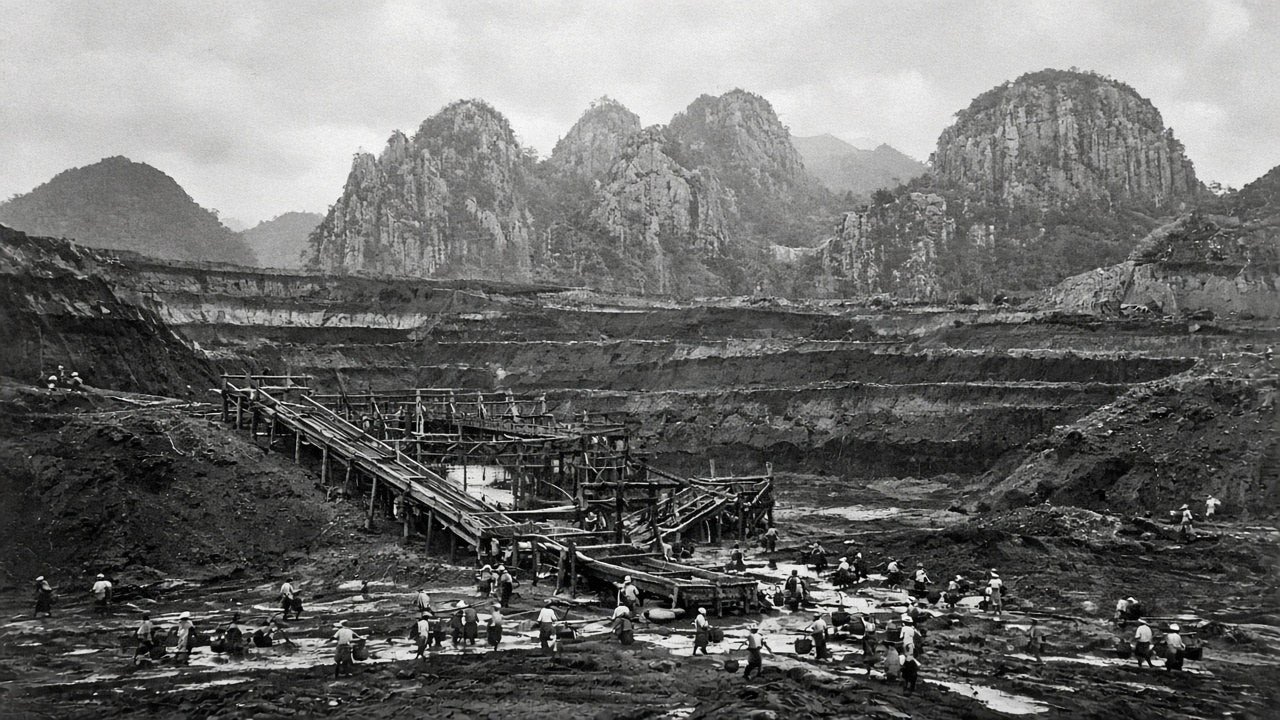
A local paper says Gunung Lanno was "touted as the golden mountain". By the family's account, it was mined until the mid-1920s and "made the partners very rich men".
In the autumn of 1904, their mother, Toh K'ng Neoh, died after a short illness. After the funeral, Boon Juan wrote to another brother, Chew Boon San (1883–1950). He came the same way, through Chew Jetty, which the panels say was "built by his own Chew clansmen from XingLinChun, China", then by boat and train, and this time by horse cart to Kampong Kepayang. Again, Boon Juan paid. His two elder brothers welcomed him to work at Ban Chin Hoe.
BELFIELD STREET, AND THE BIRTH OF BAN HOE SENG
In 1905, according to the family, Boon Juan bought shoplots in Kampong Kepayang from the son of his uncle, Chew Si Pian. That same year, Boon Seong started his own company, Ban Hock Long. In 1906, Boon Seong built his "big long mansion" in Xinglin Chew Village, Fujian.
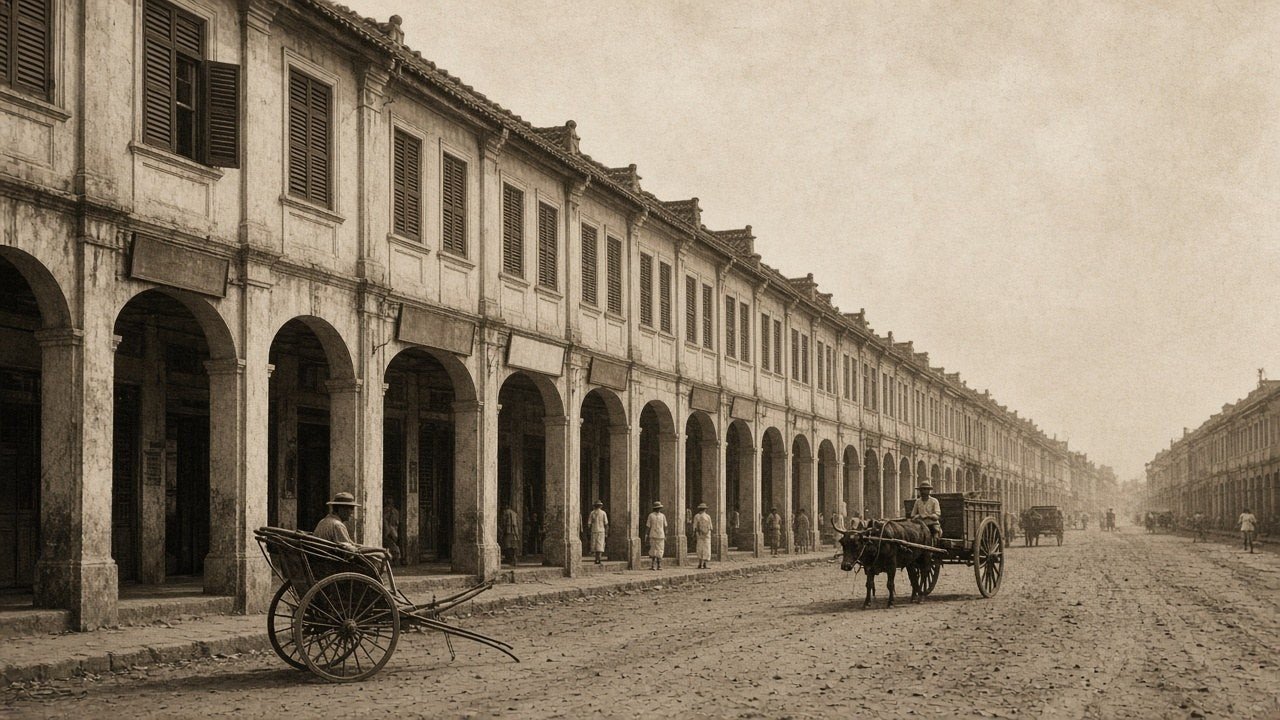
And in 1908, the panels say, Boon Juan and Boon Seong founded the company that would one day sell Hondas: Ban Hoe Seng (萬豐成), a rice wholesaler in Market Street, Ipoh. (The family's blog gives the year as 1910.)
In 1916, by the family's account, Boon Juan bought 62, 64 and 64A Belfield Street, Ipoh (now Jalan Sultan Yusuf), as his headquarters, and moved Ban Hoe Seng there.
THE BROTHER WHO DIED TOO SOON
But years before Belfield Street, it could all have fallen apart.
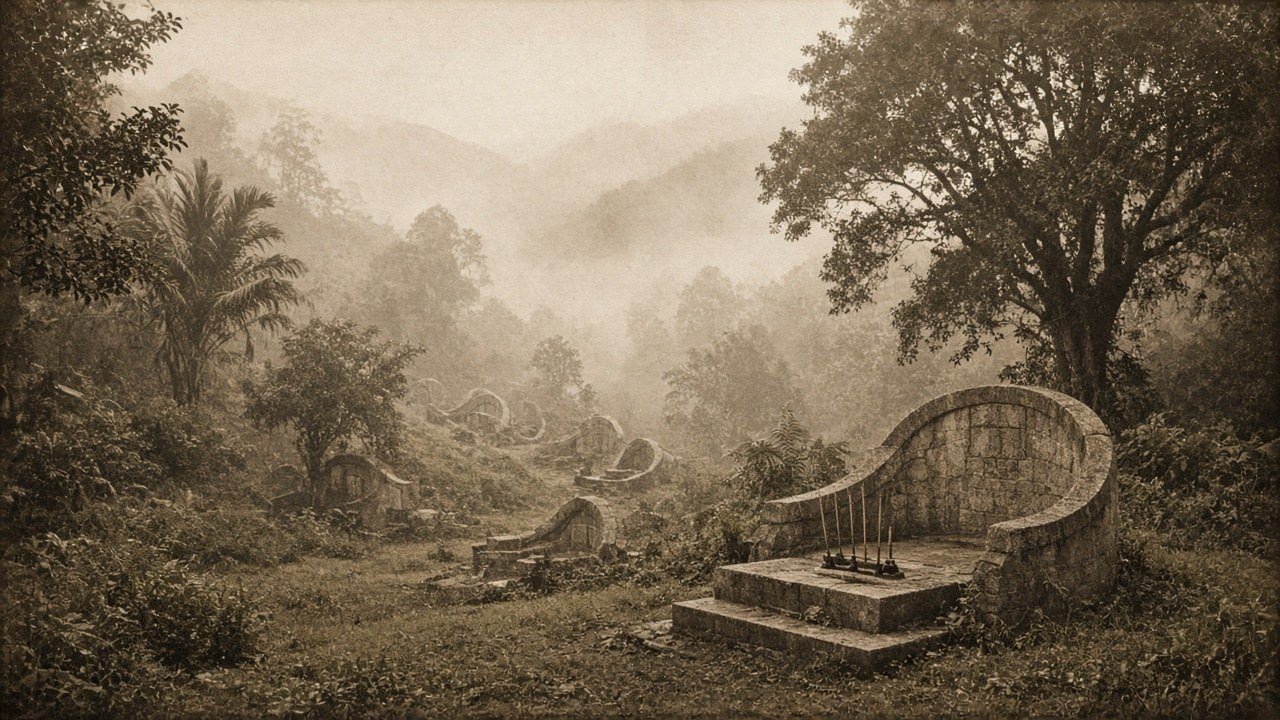
In 1909, a year after Ban Hoe Seng was founded, Boon Seong suddenly fell ill and died. The panels suspect malaria, "which killed many immigrants in those days". He was in his mid-thirties.
Boon Juan bought his brother's shares and became the sole owner of Ban Hoe Seng. And once again, he sent for a brother.
THE TEACHER WHO CAME BY HORSE CART
The youngest and most educated, Chew Boon Hong (1886–1965), gave up his job as a teacher in China and sailed for Malaya: Chew Jetty, a boat to Butterworth, a train to Ipoh. Waiting for him at Ipoh Railway Station was Boon Juan's own private horse cart. "We were praised by people for the brotherly love between us," one panel quotes.
Boon Hong, too, was "highly intelligent" and "a fast learner". In 1912, Boon Juan put him in charge of all his many businesses.
Boon Juan's own words are on the wall: "I love my brothers. Whatever I have, I also want them to have. When I prosper, I also want my brothers to prosper as well."
The brothers did not forget where they came from. According to a local paper, they helped their ancestral village from the early 1900s, and Chew Boon Hong helped fund its first school, opened in 1921.
And it was Boon Hong, the brother who came after the loss, who wrote the family autobiography that Ignatius would find, decades later, in 1984.
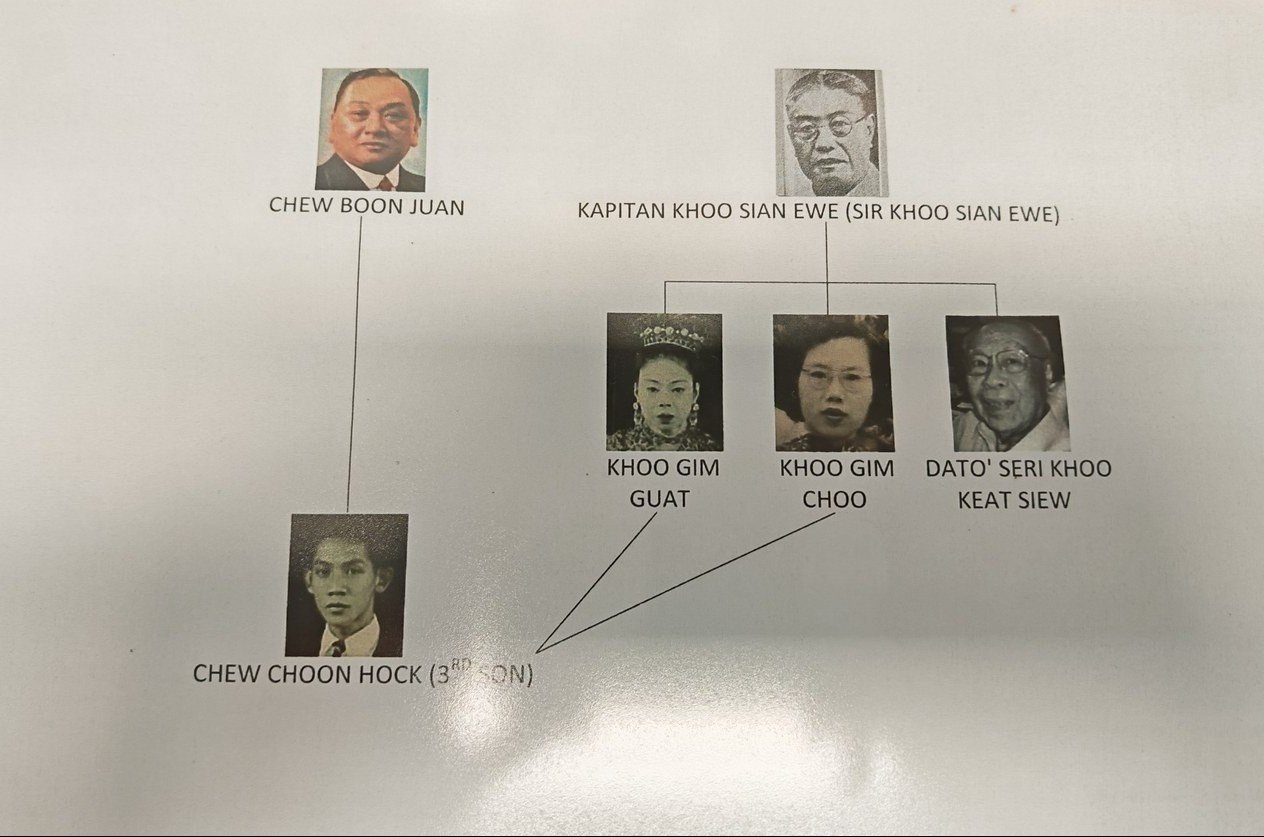
SHOPS, PROPERTY AND A FAMILY HOUSE
The money from the golden mountain went into sundry shops, property, rice and rubber, according to the paper.
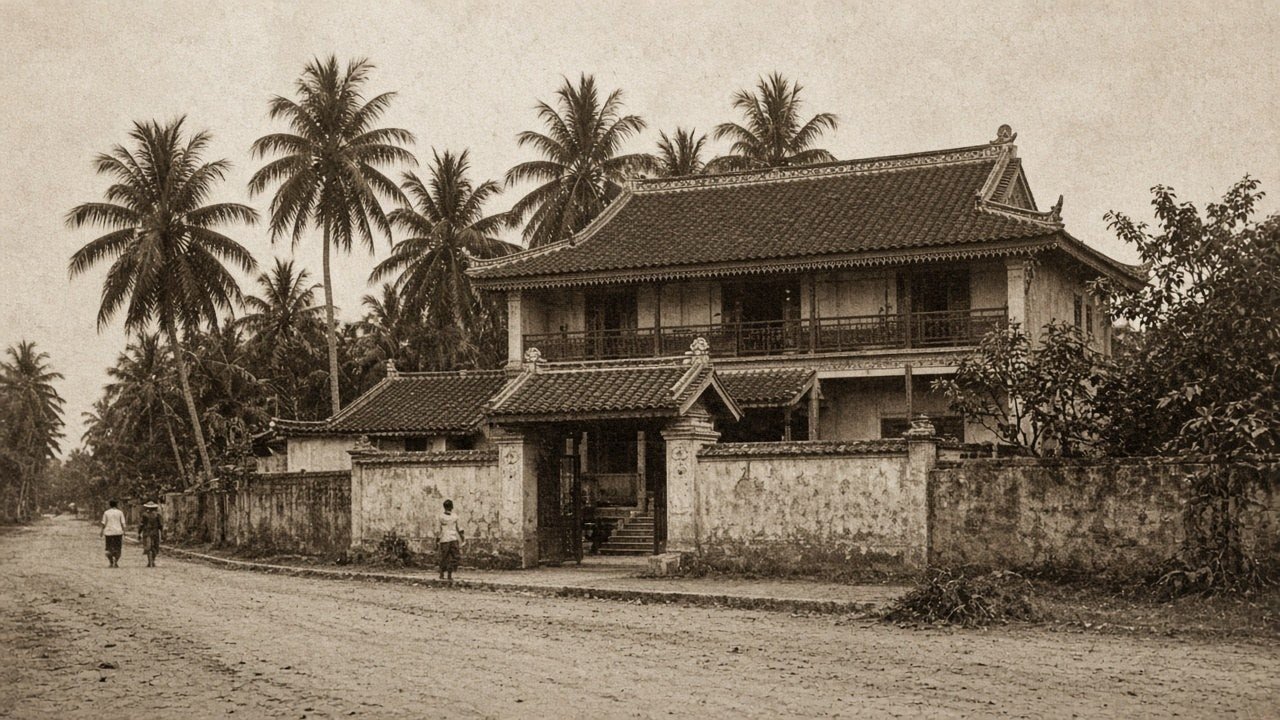
One property is still in the family. The Chews' family bungalow is still owned by Ban Hoe Seng, the family's holding company, and is today rented to Morel Restaurant. It was also, for a time, the first home of the family museum. In 2022 the museum moved to No. 1 Jalan Lasam and became the YLCO Gallery of Families, The Living Archive.
The business moved on too. In 2016, by Ignatius Chew's account, the Honda dealership arm, Ban Hoe Seng (Auto), went to Bonanza Holdings; Ban Hoe Seng itself stayed with the Chews. (More on that, and on why the Lims come into it, in Part 4.)
SO HOW DOES A COOK'S ASSISTANT GET A ROAD?
Back to our question.
He worked hard enough to be trusted. When his uncle needed someone to hand his business to, he chose "his most trusted and competent relative". Then Boon Juan spent what he earned on bringing his brothers over, and when one of them died, he sent for another.
One of the museum's panels shows a street sign: "JALAN CHEW BOON JUAN". The 17-year-old who started as a cook's assistant in 1892 has a road in his name.
HERE IS WHAT WE CAN LEARN FROM HIM
As the founder of Ipoh – The City of Millionaires, here is what I want every student, parent and young entrepreneur to take from the Chew brothers.
First lesson: start anywhere.
Chew Boon Juan started as a cook's assistant. Five years later, he owned the business.
Second lesson: trust is an asset.
When Uncle Chew Si Pian sold Ban Chin Hoe, he chose his "most trusted and competent relative". Be the person someone would choose.
Third lesson: when you prosper, bring your people with you.
Boon Juan paid for each brother's journey, then gave them his businesses to run. "When I prosper, I also want my brothers to prosper as well."
Fourth lesson: write it down.
When I wrote my book, The You Economy, it was about how digital media was changing the way we do business. But the oldest medium still works. Chew Boon Hong wrote the family's story down, and a century later his grand-nephew built a museum from it.
Who in your family brought the others with them? Tell us
A cook's assistant came up the Kinta River and brought his brothers with him.
Ipoh shaped their story. Whose story will Ipoh shape next?
NEXT IN YLCO FAMILIES: PART 4 OF 10, THE LIMS
Next: loan sharks at the door, a 15-year-old girl they wanted as payment, a family that slipped out the back, and an anxious wait at the port for a ship to Penang.
Sources: the YLCO Gallery's story panels; Ignatius Chew (1905 and 1916 shoplots, the bungalow, Ban Hoe Seng (Auto)); a local community newspaper in Ipoh; the Ban Hoe Seng family blog.
A note on sources: This story is shared to the best of our knowledge. It draws partly on family accounts, panels and recollections, which reflect the perspectives of their time and context. Dates and details may differ between sources; where they do, we have said so.
This story carries our Ipoh Connections label, for people whose stories run through Ipoh and Perak. It is part of Ipoh Stories, our City of Millionaires heritage series. At EdQuest International School in Ipoh, we believe history, character and critical thinking are best learned through real stories, including the stories of our own city.
Stories in this series are shared for informational and educational purposes. Where accounts differ, we say so. We respect all races, religions and cultures, and we do not represent or endorse any political party or movement.