Batu Gajah, the Forgotten Capital of Kinta: How the Tin Rush Town Lost Its Crown to Ipoh
In 1884, when Ipoh was still a jungle village, the Kinta Valley was run from a riverbank town called Batu Gajah.
It had the magistrate, the land office and the courthouse. Then it lost the crown. How?
You've driven the old road south out of Ipoh a hundred times, past Pusing, towards the turn for Kellie's Castle. Twenty minutes, a plate of mee rebus, and you're in Batu Gajah.
Most of us treat it as the town on the way to the castle.
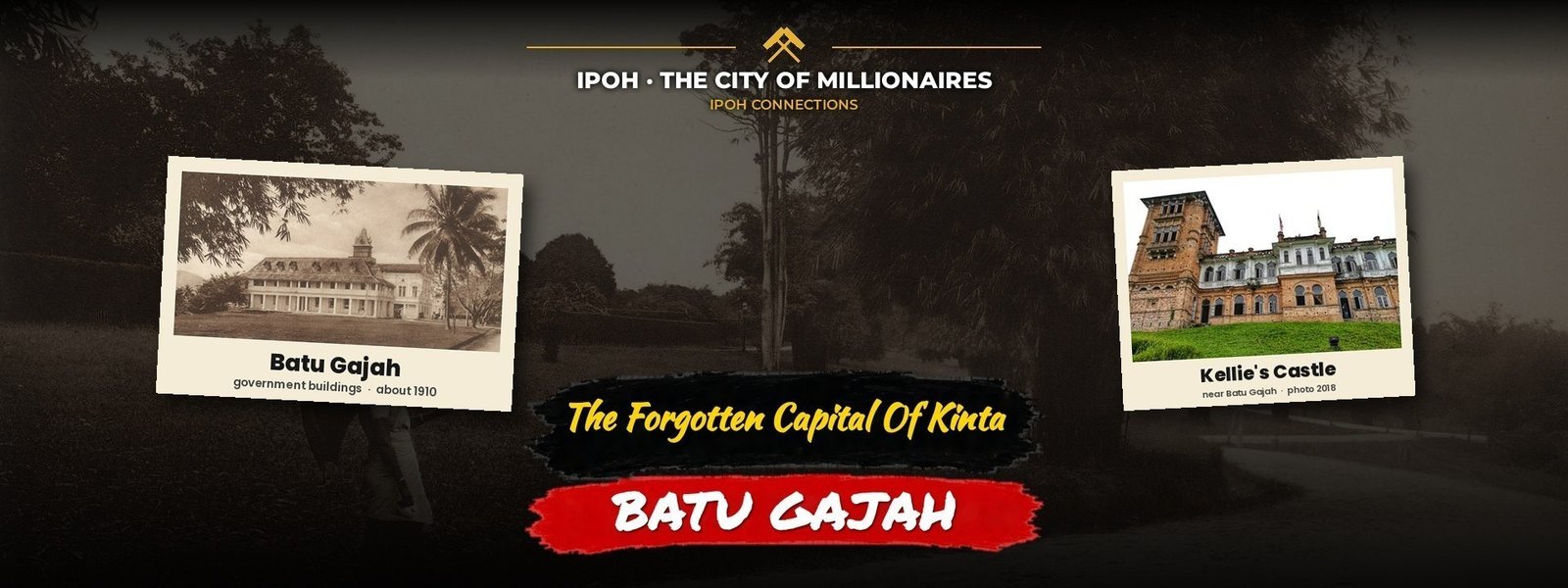
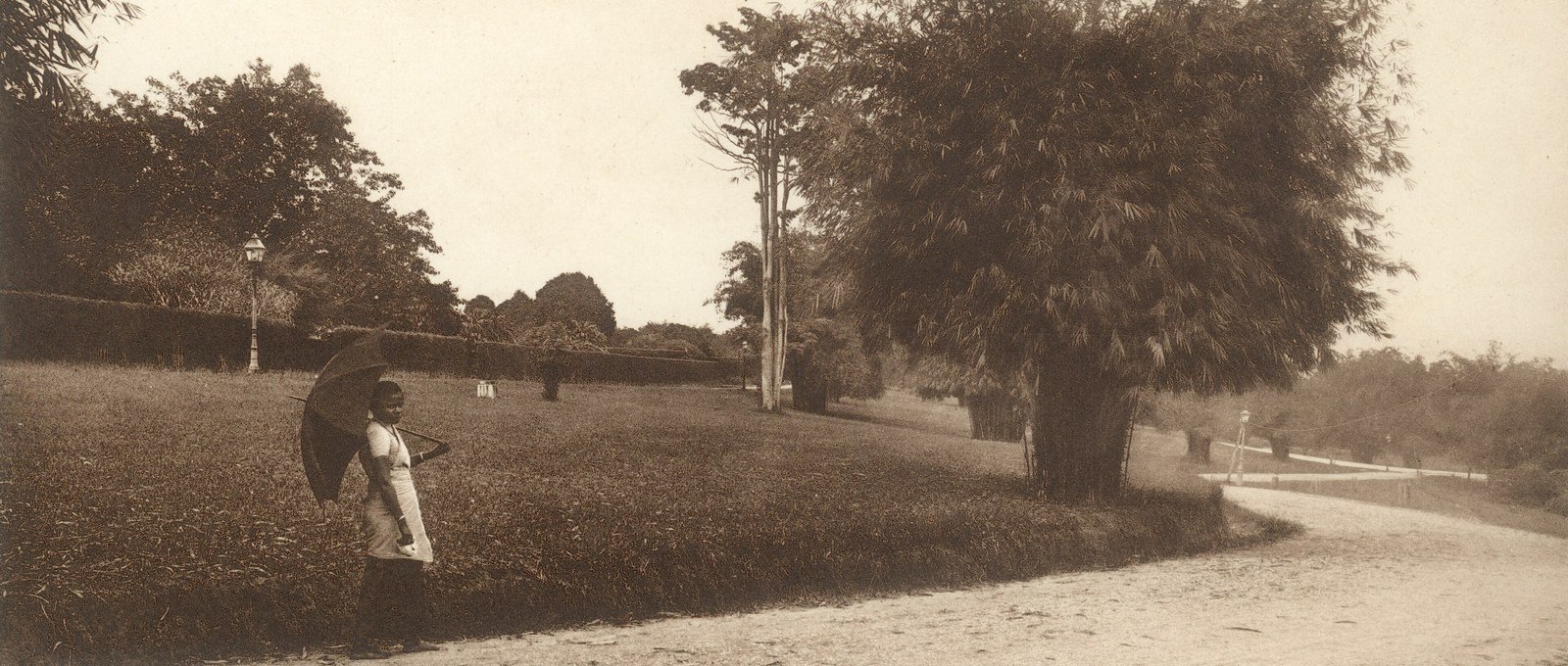
But for a while in the 1880s and 1890s, Batu Gajah was where the Kinta Valley was governed. The district's magistrate sat there. Its land office, by one history of the town, became the most important in the country. Ipoh was the small place down the road.
So how does a capital get forgotten?
Hold on to that question. We will come back to it.
WHAT IS BATU GAJAH?
Batu Gajah is a town on the Kinta River in the Kinta District of Perak, Malaysia, about 20 km south of Ipoh. Its name means "elephant rock" in Malay, usually explained by two large boulders in the river said to look like elephants. In 1884 it became the British administrative headquarters of the Kinta district, and it grew with the tin rush of the 1880s and 1890s before Ipoh overtook it.
A CAPITAL MOVED BY MOSQUITOES
The first British base in Kinta was not Batu Gajah at all. It was Kota Bharu, the river landing that served the mines of Gopeng. (Not the Kota Bharu in Kelantan; this one is near Gopeng.)
Kota Bharu had one big problem: malaria. According to the Perak judiciary's own history of its courts, the Kinta magistrate's headquarters moved to Batu Gajah in 1884, because the Kota Bharu area was "no longer suitable".
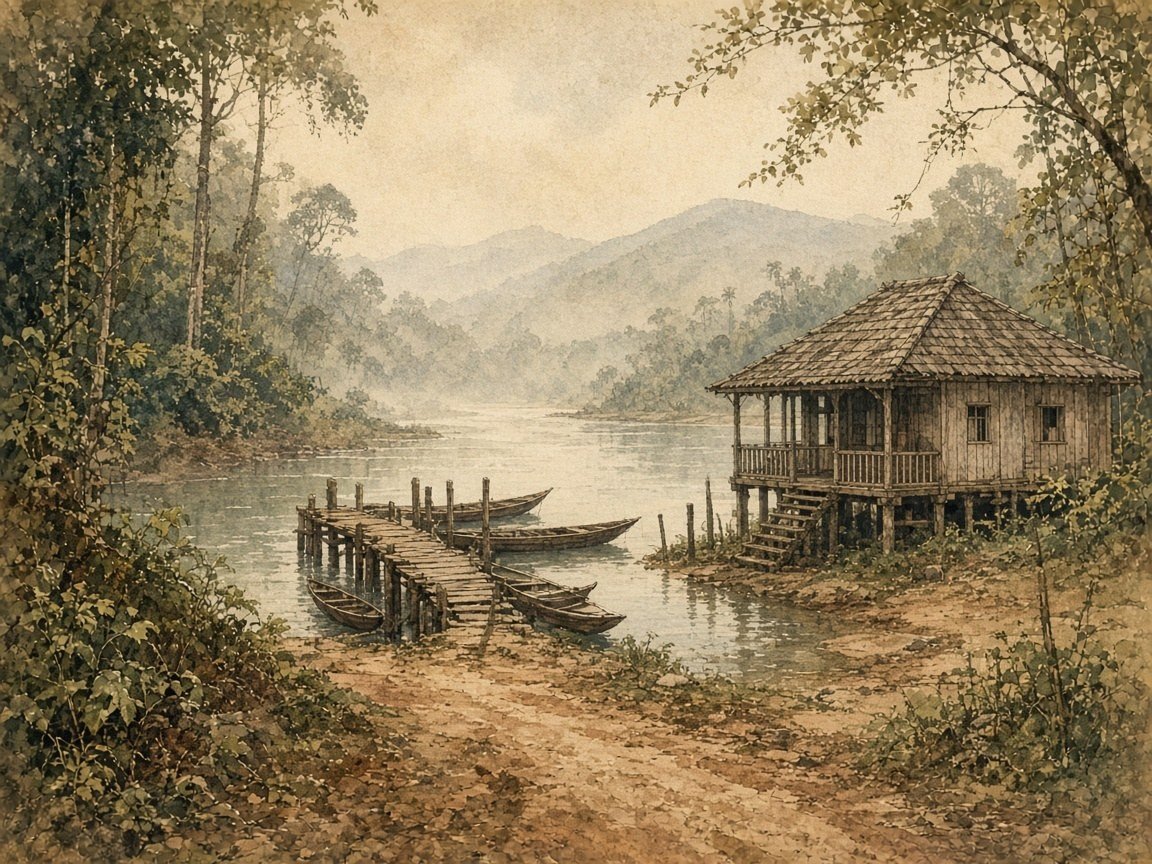
A capital, chosen by a river and moved by mosquitoes.
THE RUSH
What happened next explains why anyone needed a capital at all.
The same court history counts the Chinese miners in the district: about 4,000 in 1882, more than 5,000 in 1884, 9,000 in 1885, 18,000 in 1886, 25,000 in 1887 and 38,000 in 1888.
Nearly ten times as many miners in six years. Every one of them needed land, a licence, a court when things went wrong, and a road to get the tin out.
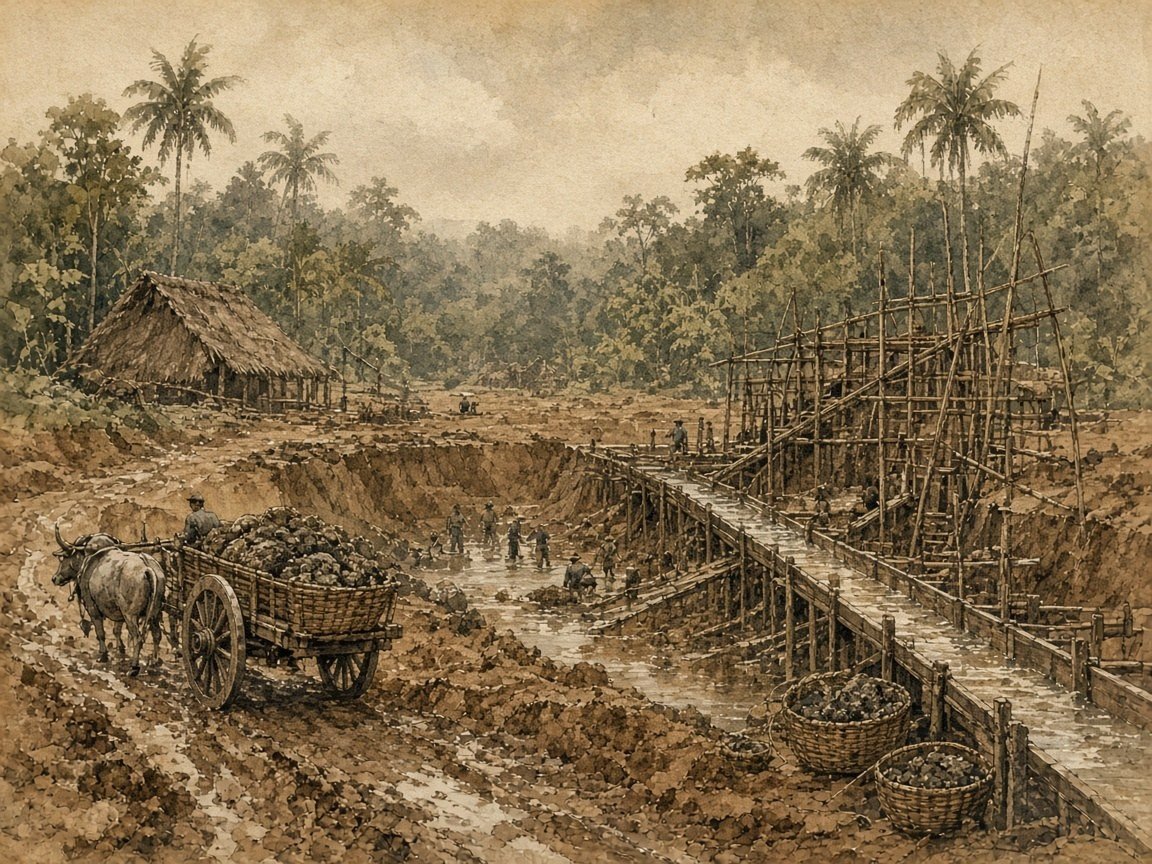
Batu Gajah gave them a magistrate. A prison and a police station were built at nearby Papan in 1884, and, by the court history's account, the Batu Gajah magistrate went to Papan once a week to hear cases at the police station. Batu Gajah's own courthouse dates from 1892.
THE MEN WHO MADE MONEY THERE
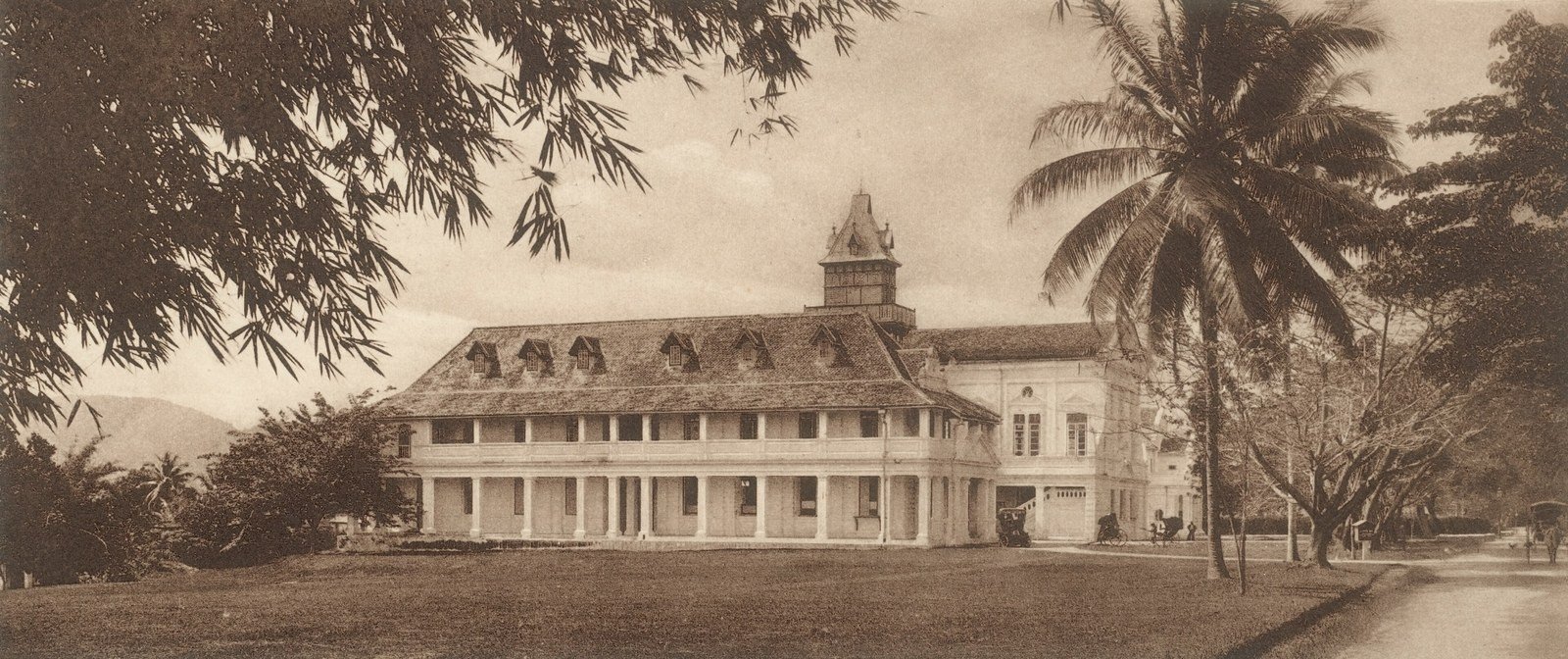
The town's pioneers read like a cast list for a tin-and-rubber novel.
A history of Batu Gajah drawn from the files of the Kinta Land Office names a few of them: the surveyor, miner and planter Charles Alma Baker; Toh Indera Wangsa Ahmad, one of the most successful Malay tin miners and the maternal grandfather of Sultan Azlan Shah of Perak; and the Scottish planter William Kellie Smith.
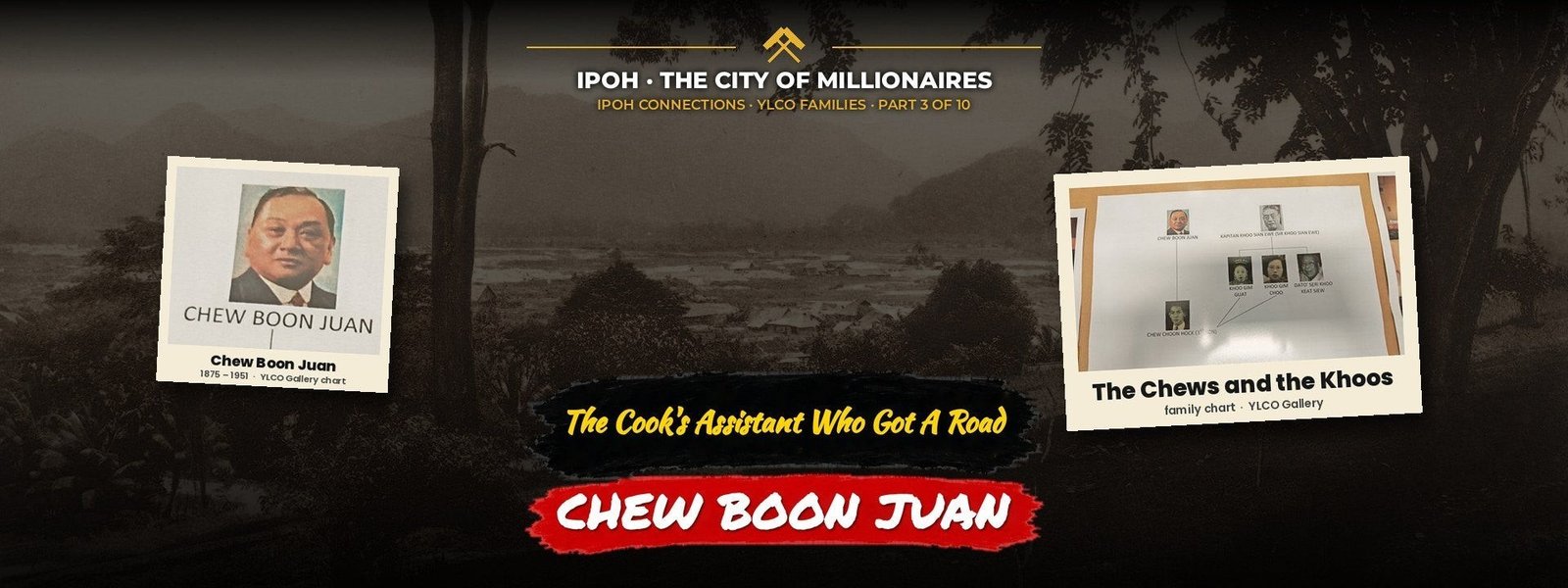
If Alma Baker's name sounds familiar, it should. In our YLCO Families series, he is the man who, by the family's account, signed a deal in 1903 with Chew Boon Juan and his brother to mine Gunong Lanno.
THE CASTLE THAT WAS NEVER FINISHED
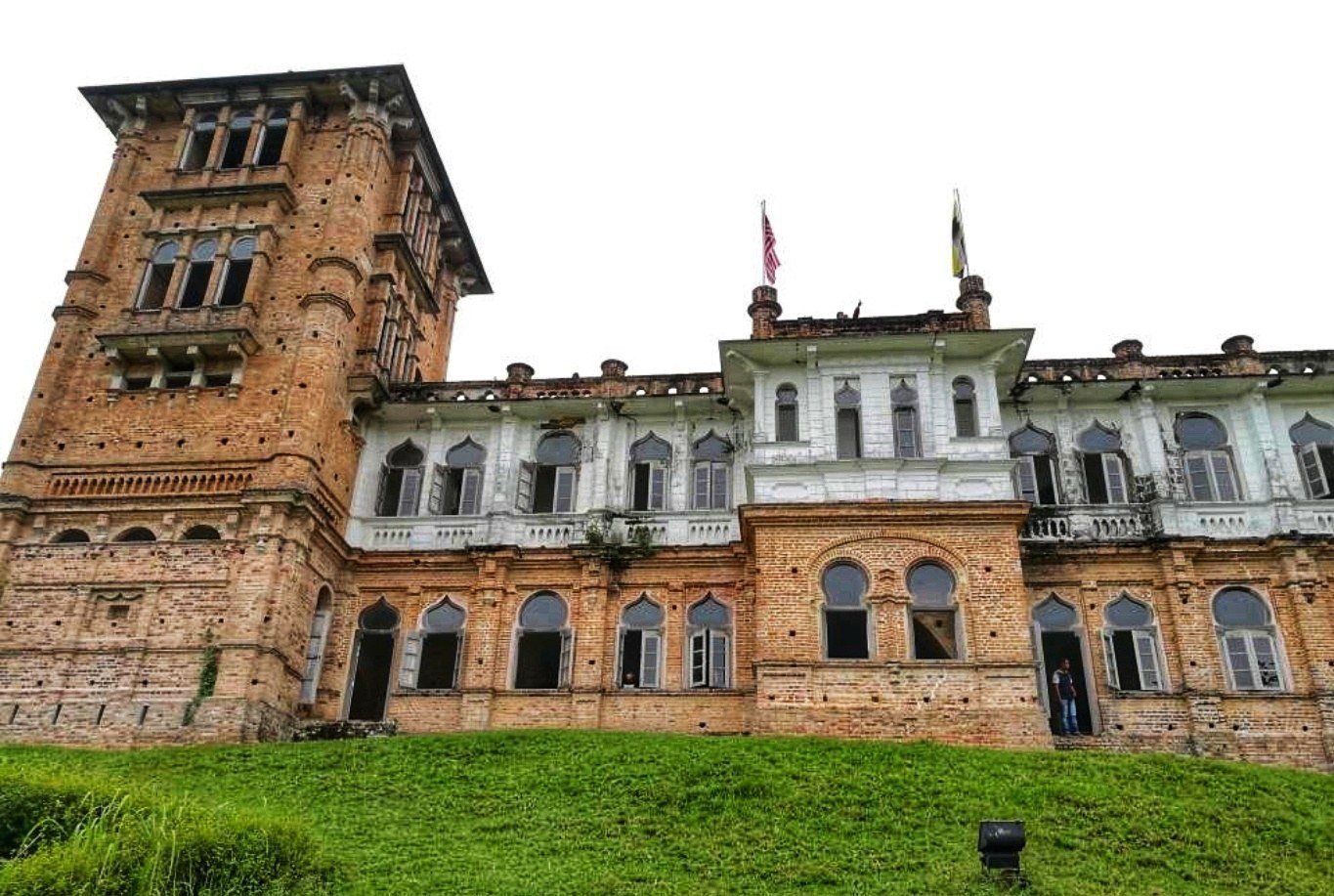
William Kellie Smith arrived in Malaya in 1890, aged about 20, and joined Alma Baker's survey firm, by most accounts. With his profits, he bought jungle land in Kinta, planted rubber, went into tin and called his estate Kinta Kellas.
Work began on a mansion, Kellas House, in 1910. After his son was born in 1915, he planned something far grander: a castle with, it is said, Malaya's first lift. Craftsmen were reportedly brought in from Madras.
Then came 1918, and the Spanish flu. The story goes that the workmen asked to build a temple nearby; he agreed, and they placed a statue of him among its figures.
In 1926 Kellie Smith died of pneumonia on a trip to Lisbon. His wife went home to Scotland. The castle was never finished.
THE TOWN THAT LOST THE CROWN
Here is where the turning point comes, and it is not dramatic. Nobody burned Batu Gajah down. Ipoh simply grew around it.
Ipoh sat in the middle of the valley's richest ground. The railway reached Ipoh in the early 1890s; its first timber station went up around 1894. Banks, merchants and towkays followed the tin. In 1937, the state capital itself began moving from Taiping to Ipoh.
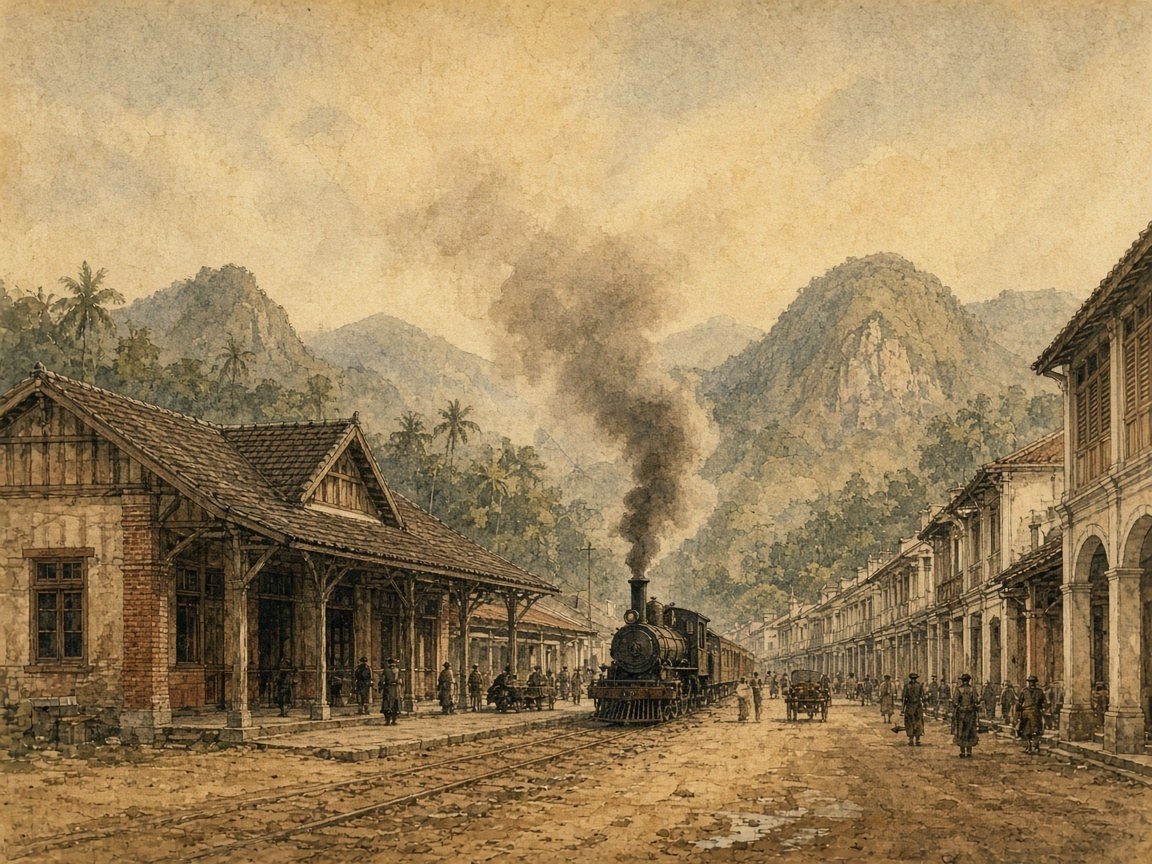
Batu Gajah kept its courthouse, its prison and its district offices. It lost the crowd.
THE BOY BORN IN KAMPUNG MANGGIS
Batu Gajah did keep one thing: its people.
In 1928 a boy was born at Kampung Manggis, Batu Gajah. He started school at the Government English School in town, now SMK Sultan Yussuf. He became Lord President of the Federal Court, the 34th Sultan of Perak and the ninth Yang di-Pertuan Agong: Sultan Azlan Shah. His name is on the international hockey tournament played in Ipoh, the Sultan Azlan Shah Cup.
And today, Malaysia's best-known cartoonist, Datuk Lat, has his gallery, Rumah Lat, in Batu Gajah too.
SO HOW DOES A CAPITAL GET FORGOTTEN?
Back to our question.
Batu Gajah was chosen because it was convenient: the next landing on the river, away from Kota Bharu's fevers. It was the right answer for 1884.
But the money moved to where the tin, the trains and the traders were. And that was Ipoh.
A capital is not forgotten because it fails. It is forgotten because something else grows faster.
THE MILLIONAIRE LESSON
As the founder of Ipoh – The City of Millionaires, here is what I want every student, parent and young entrepreneur to take from Batu Gajah.
Being first is not the same as staying first. Batu Gajah had the title; Ipoh had the momentum. In business and in life, keep asking where the crowd is going, not where it was. And when you have a head start, use it to build something people will still come back for, like a courthouse, a school or a castle that still pulls visitors a century later.
Have you been to Batu Gajah lately? What do you stop for? Tell us
The town that ran the tin rush, and still has stories to tell.
Ipoh shaped their story. Whose story will Ipoh shape next?
Sources: the Perak judiciary's history of the Perak courts; a history of Batu Gajah drawn from the Kinta Land Office files; published histories of the Kinta Valley and Kellie's Castle; published biographies of Sultan Azlan Shah.
This story carries our Ipoh Connections label, for people whose stories run through Ipoh and Perak. It is part of Ipoh Stories, our City of Millionaires heritage series. At Rochford's International School in Ipoh, we believe history, character and critical thinking are best learned through real stories, including the stories of our own city.
Stories in this series are shared for informational and educational purposes. Where accounts differ, we say so. We respect all races, religions and cultures, and we do not represent or endorse any political party or movement.