The 9PM Switch: At 9pm, My Father Switched Off the Internet for the Whole House, Including Himself
💛 Lessons From Our Parents
For four years, the wifi in our house died at nine o'clock sharp.
I called my father a dinosaur. He just set up the chess board, and waited.
By Rochford's International School
In many Malaysian homes, the fight about screens starts at the same time every night.
This is a story about a father, a daughter and a wifi router. It is told in the voice of a grown daughter, looking back. It is not about any one family. It could be about any of us.
What is Lessons From Our Parents? Lessons From Our Parents is a series of short parenting stories from Rochford's International School in Ipoh, Perak, Malaysia. Each one is a simple story with a turn at the end, and a small, practical lesson for the families in our community.
THE HOUSE IN IPOH GARDEN
We lived in a single-storey terrace house in Ipoh Garden, the kind with a grille gate, a porch just big enough for one car and a mango tree that dropped fruit on the neighbour's roof.
Our car was a white Kancil. Papa drove it to the factory in Tasek every morning at seven and parked it back in the porch every evening at six, nose in, always nose in.
Papa was a maintenance supervisor. When a machine broke at the factory, it was his phone that rang.
He was not a man of many words. He ate his dinner, washed his own plate and read the Chinese newspaper with his reading glasses sliding down his nose. One hinge was held together with white tape. He said he would buy new ones "next month" for about six years.
When I was fourteen, in Form 2, he made a rule.
NINE O'CLOCK
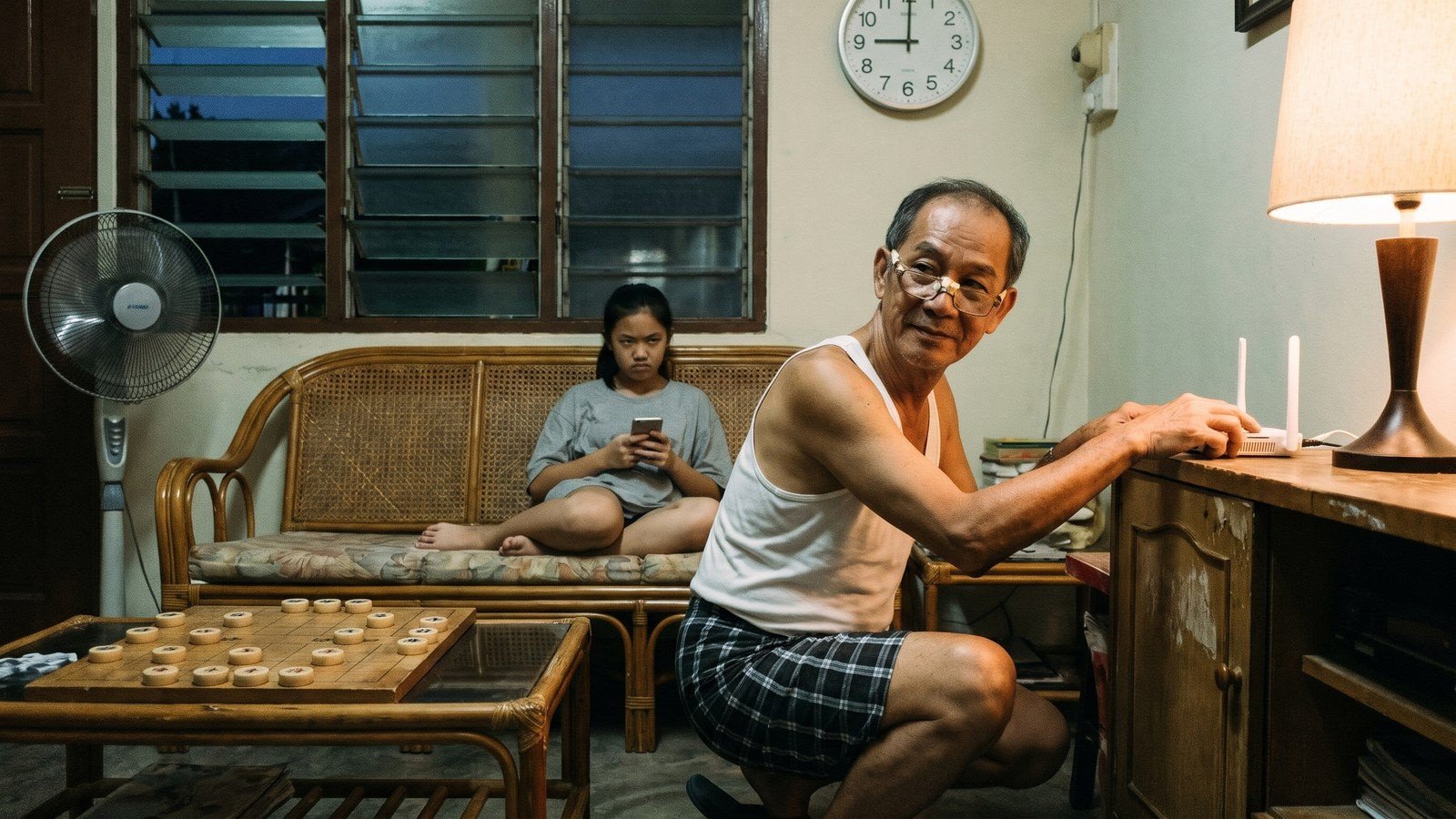
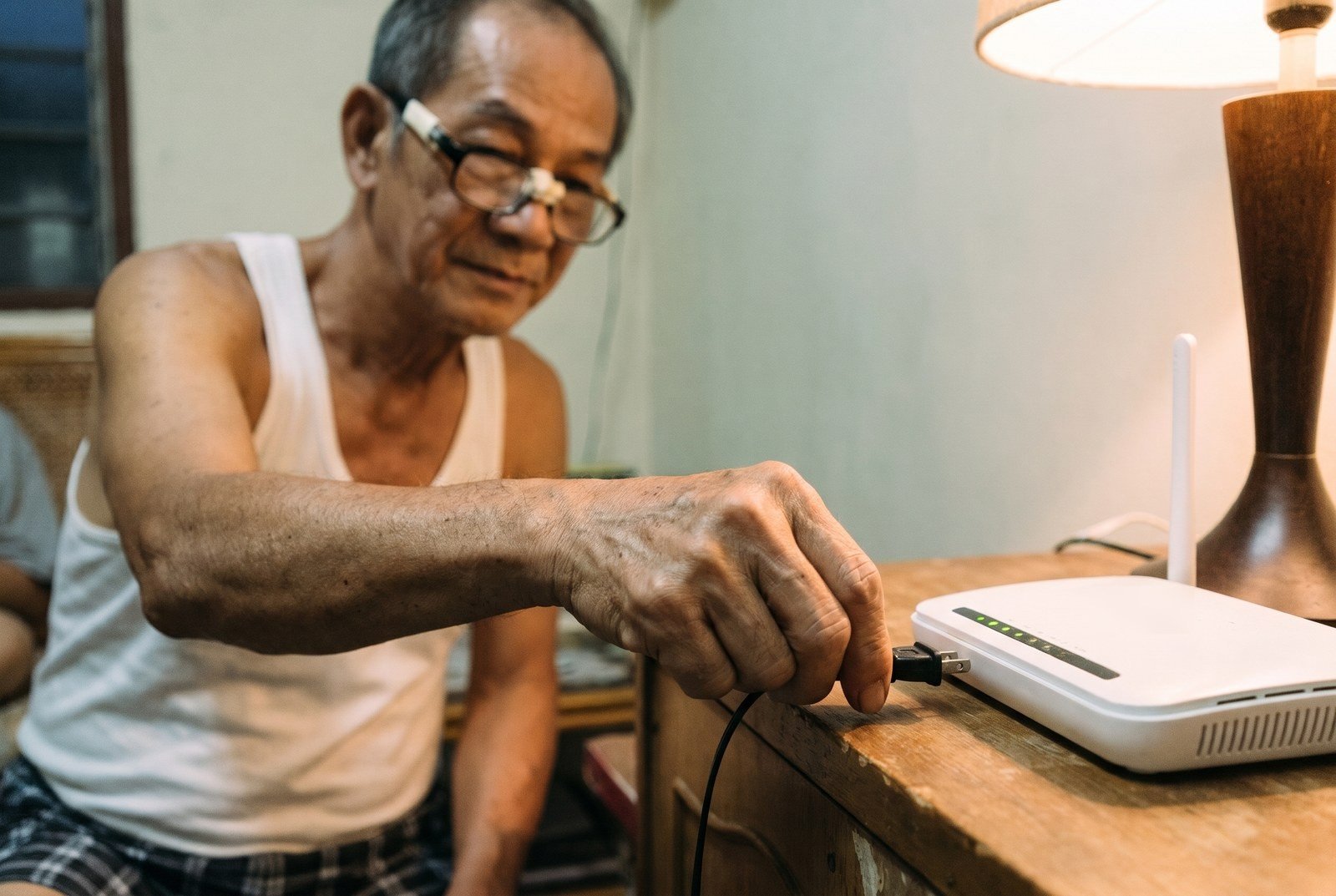
Every night at nine, Papa stood up from the sofa, walked to the TV cabinet and pulled the plug out of the wifi router.
The little green lights went dark, one by one.
That was it. No internet for anyone until morning. Not for me, not for Mama, not for Papa.
"Papa, I have homework," I said the first night.
"Homework can be done on paper," he said.
"Everyone is online, Papa. Everyone."
"Then everyone will still be there tomorrow."
THE LAST TO KNOW
You have to understand what nine o'clock meant in Form 2.
Nine o'clock was when the class group chat came alive. It was when people decided who was angry with whom, who liked whom, and what everyone would wear on Sports Day.
I would wake up to 312 unread messages and a joke I had missed.
At recess, everyone laughed about something that had happened "last night." I laughed too, a second late, so nobody would notice I didn't know.
I was always the last to know everything.
I told Papa he was a dinosaur. I told him no other father in Ipoh Garden did this. I told him he was ruining my life, in exactly those words, with my bedroom door slammed behind me for extra effect.
He never shouted back. Not once.
THE CHESS BOARD
Instead, every night after he pulled the plug, Papa did the same thing.
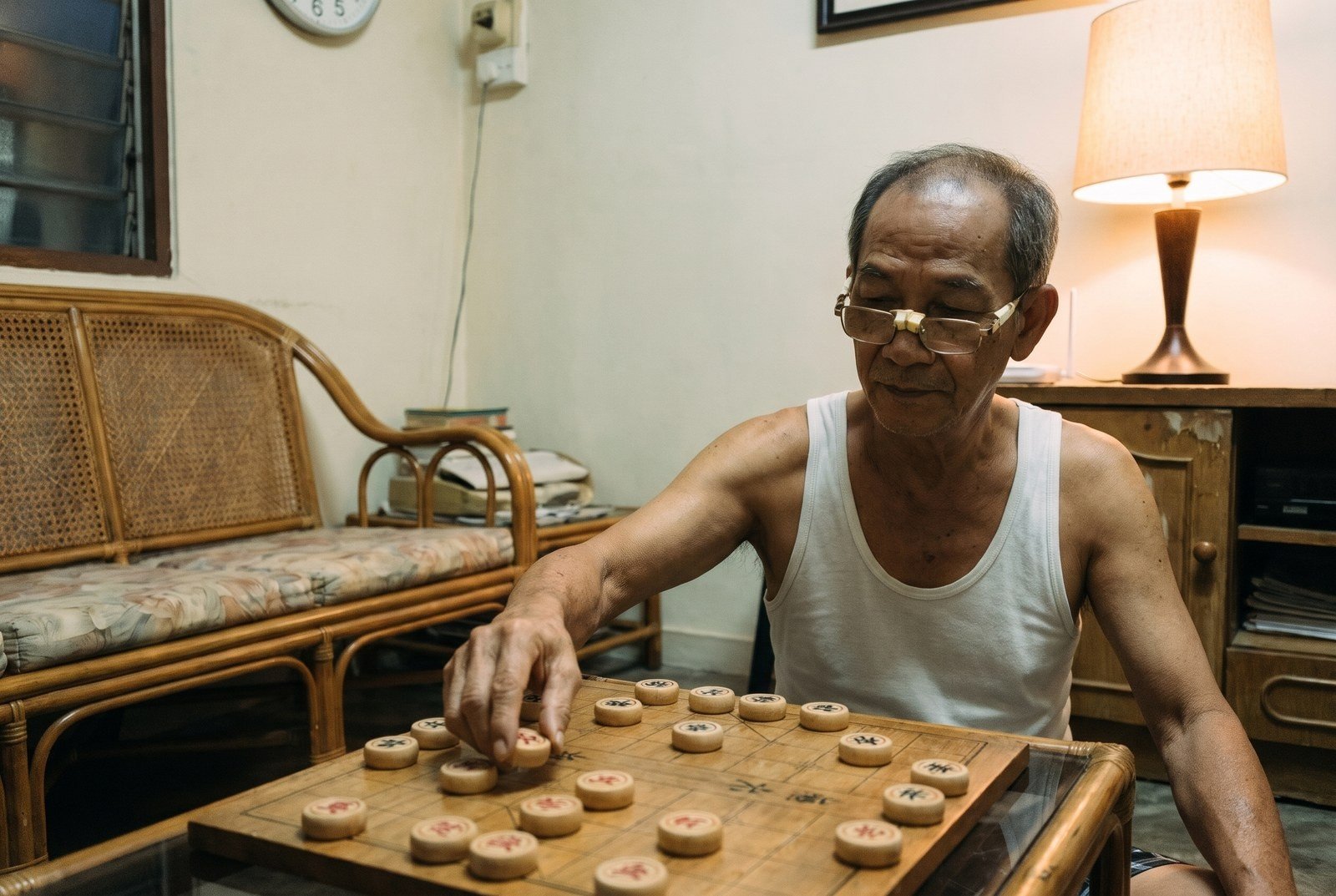
He took the old wooden Chinese chess board out from under the coffee table, set out the round red and black pieces, one by one, and waited.
Click. Click. Click.
I could hear it from my room.
Some nights I came out and played, just to have something to do. I always took red. He always let me move first. He never let me win, and he never gloated when I lost.
Most nights, I didn't come out at all.
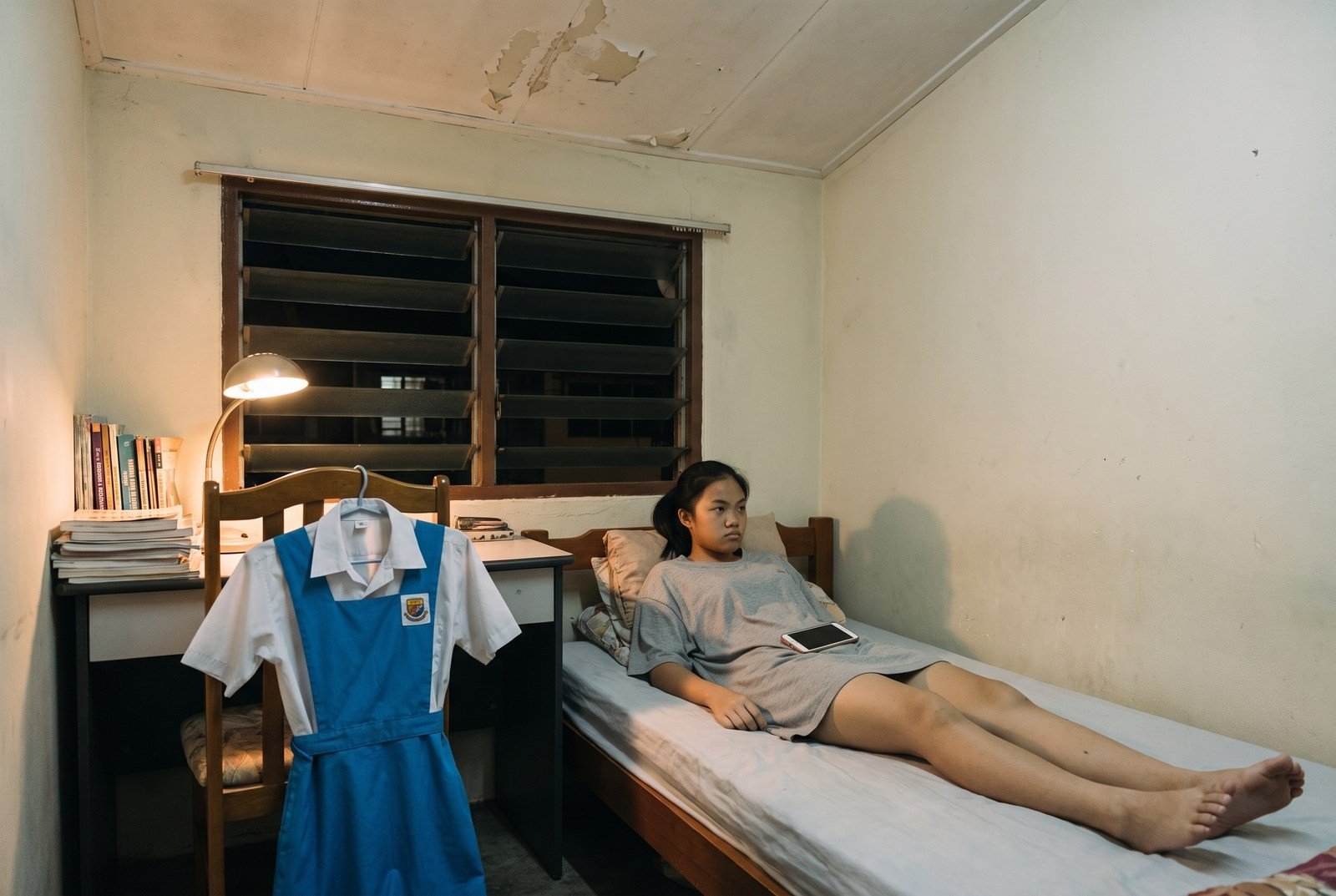
I would lie on my bed with my dead phone on my stomach and listen to him sitting alone out there, moving a piece now and then, as if I might still come.
THE MOSQUITO BITES
There were small things I noticed, and never asked about.
His ankles were always covered in mosquito bites. Big red ones, scratched raw. Mama bought him Minyak Kapak and he rubbed it on every morning before work.
"Must be the factory," he said. I believed him. I didn't really care.
Some mornings his eyes were red, as though he hadn't slept. Some mornings the Kancil was parked nose out, which was strange, because Papa always parked nose in.
I was fourteen, then fifteen, then sixteen. I had my own problems.
By Form 5, I had stopped fighting the rule. I just hated it quietly. Then I finished SPM, went to university in KL and got my own internet, and I never had to think about nine o'clock again.
THE RETIREMENT DINNER
This year, Papa retired after thirty-four years at the factory.
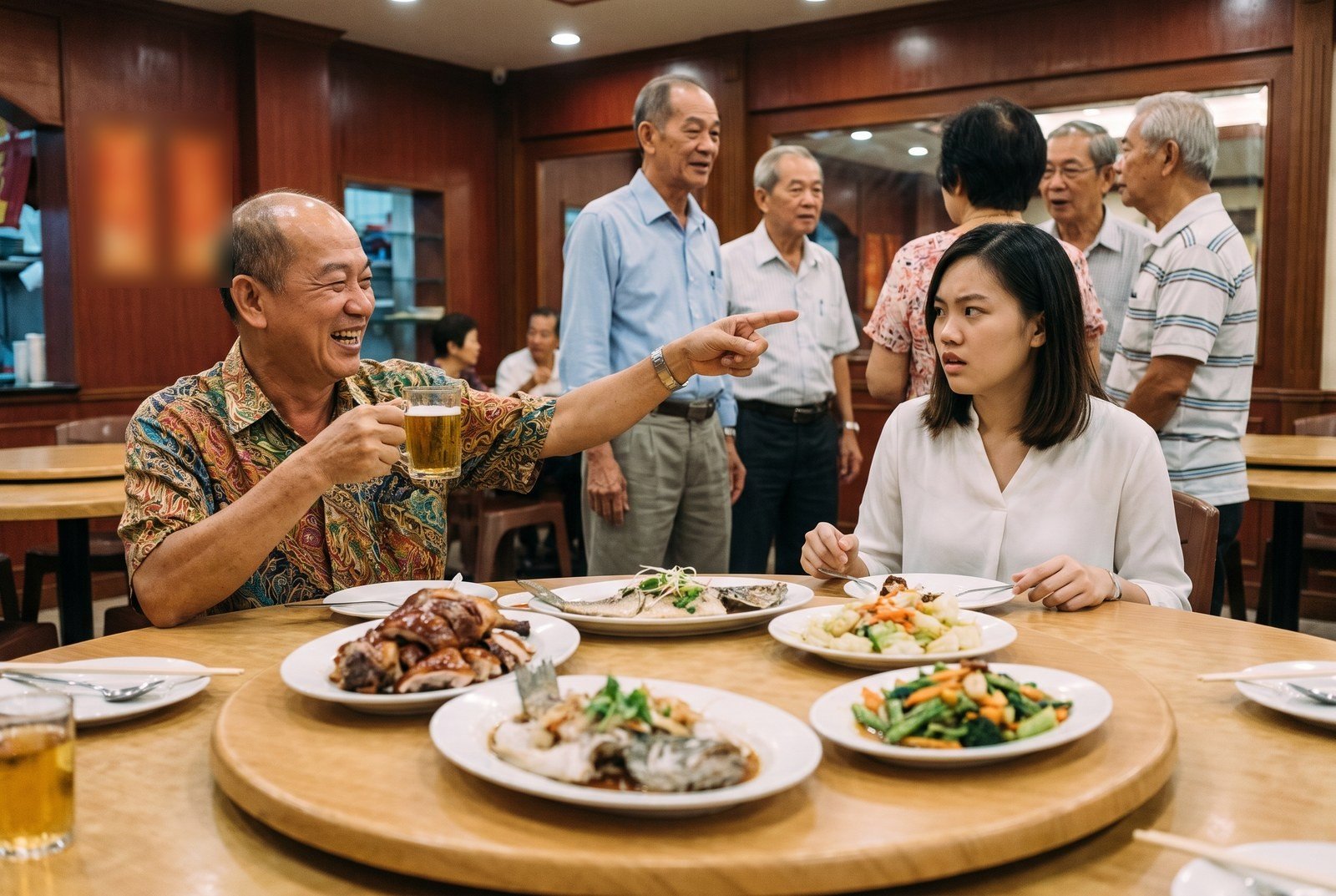
His colleagues took him to a Chinese restaurant in Pasir Pinji, ten round tables and a cake shaped like a spanner. Mama made me come back from KL for it.
I sat next to an old uncle called Uncle Lim, who had worked night shift under Papa for most of those years. He had already had two glasses of beer and was very happy.
"Your father, ah," he said, pointing at Papa across the room. "Very strange man. Only supervisor I know who took emergency calls from his car."
I laughed politely. "His car?"
"Every night, ah. Four years like that. Machine break down at midnight, I call him, he says wait, wait, then I hear the car door. Then he talks. He sends me the drawings on his phone from the car. In the dark. I ask him, why don't you go inside your house? He says, cannot. Got rule."
He laughed again.
I didn't.
THE KANCIL
On the drive home, I asked Mama.
She was quiet for a long time. Then she told me.
The factory had needed him on call, every night, for four years. His phone needed the internet for the drawings and the machine reports. Papa could have kept the wifi on. He could have kept his phone data on, inside the house, and nobody would have said anything.
But he had made a rule for me. So he kept it, too.
After I went to bed, he went outside, got into the Kancil in the porch and sat there with the windows up and the engine off, so the neighbours wouldn't hear it and so I wouldn't see the light. In the Ipoh heat. With the mosquitoes. Some nights until one or two in the morning, if a machine was down.
The nights it was really bad, he parked nose out, so he could drive straight to the factory without waking me up reversing.
The mosquito bites were not from the factory.
They were from four years of sitting in a hot, dark car outside my bedroom window.
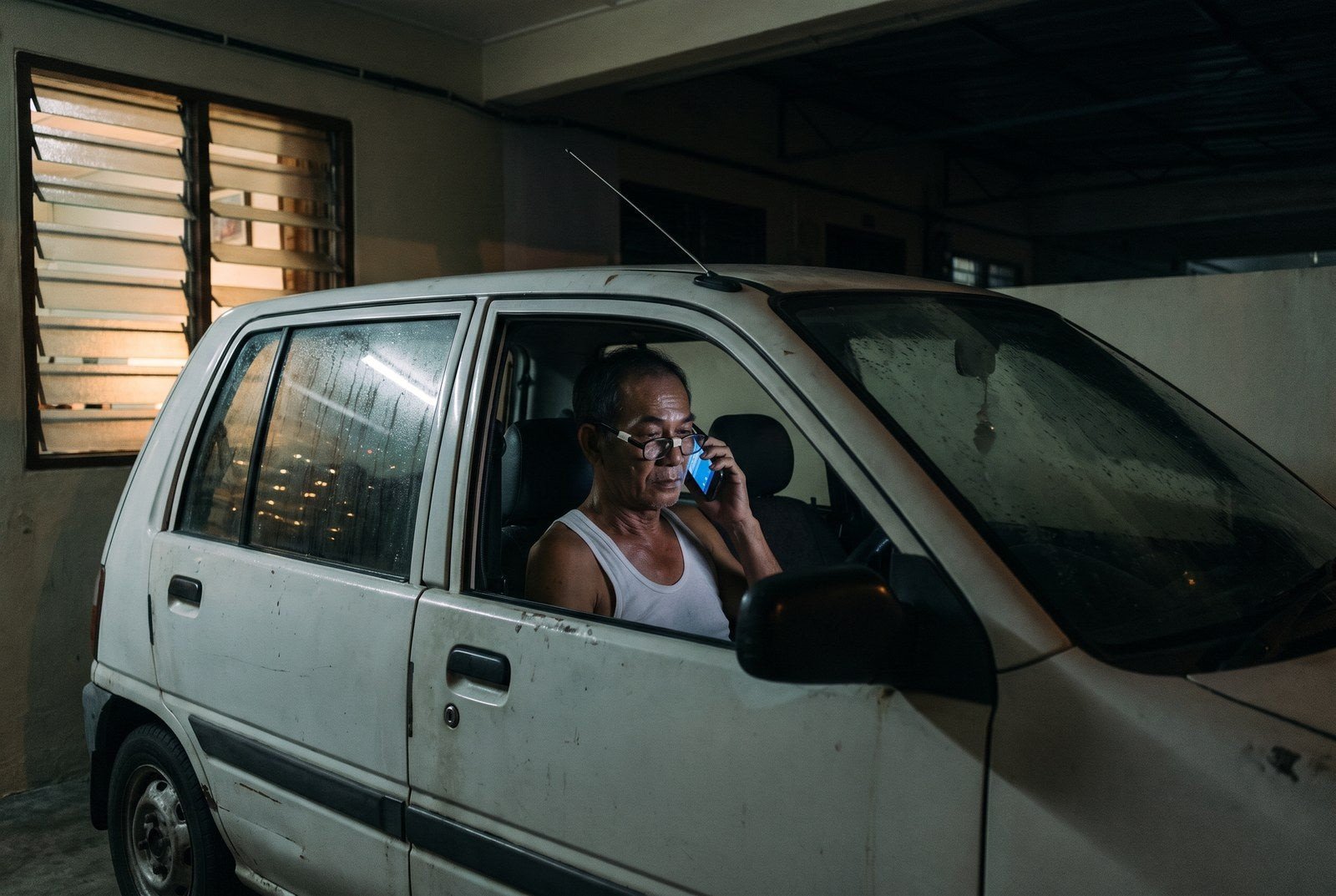
He never broke his own rule. He just went outside and sat in the dark so I'd never see him break it.
WHAT I SAID
When we got home, Papa was already in the living room, still in his good shirt, with his tie loosened and the new reading glasses his colleagues had given him as a present.
I wanted to say a hundred things. I said only one.
"Papa, why didn't you just tell me?"
He looked at me over the new glasses, a bit surprised that I knew.
"If I told you," he said, "then it's not a rule. Then it's only a rule for you."
Then he went to wash his cup, as if we had been talking about the weather.
NINE O'CLOCK, AGAIN
I'm twenty-six now. I work in KL, and I am online all day, like everybody else.
But last Saturday, I was home for the weekend, and at nine o'clock I stood up from the sofa, walked to the TV cabinet and pulled the plug out of the router myself.
Papa looked up from his newspaper.
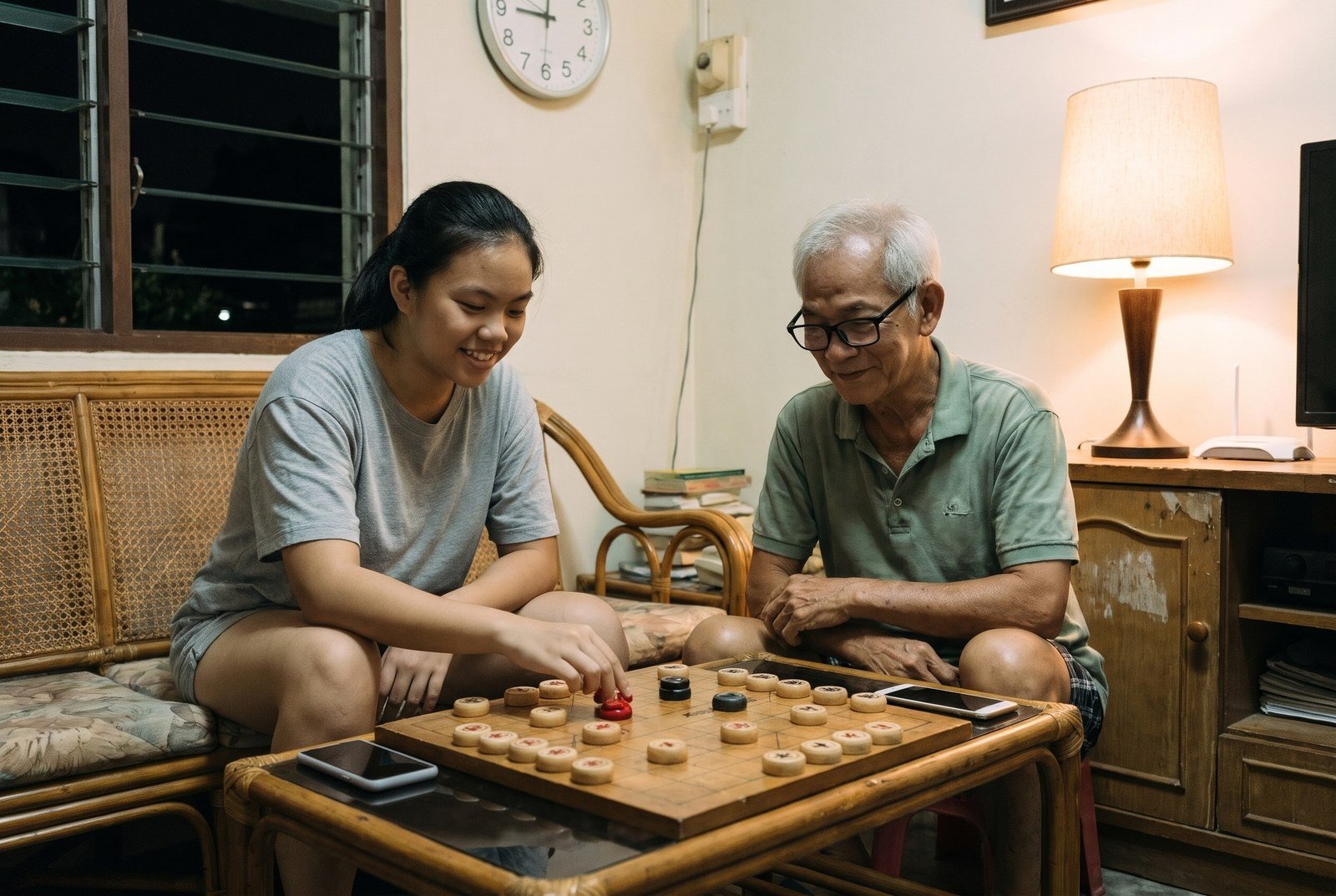
I took the old chess board out from under the coffee table and set out the pieces, one by one. Click. Click. Click.
He didn't say anything. He just put down his paper, sat down across from me, and took black, so I could have red.
We played until half past ten. He still didn't let me win.
THE LESSON FOR PARENTS
At Rochford's International School, we talk with parents about screen time more than almost anything else. How many hours. Which apps. What age for a first phone.
Those are good questions. But children rarely learn the rule from the rule itself. They learn it from watching what we do when we think they aren't looking.
Children follow the rules you keep, not the rules you make.
Here are a few simple ways to start at home:
- Keep the rule yourself, in front of them. If phones stay off the dinner table, yours does too. Children notice the one exception more than the ten times you kept it.
- Replace the screen with something, not nothing. A board game, a walk, a story or a cup of Milo together. A rule that only takes away will always feel like a punishment.
- Be there when the screen goes dark. The first quiet half hour is the hardest one. Sit in it with them.
- Make the rule for the whole house. "No screens after nine" means everyone, or it doesn't mean anything.
Our children will forget most of the rules we make.
They will never forget the ones they saw us keep.
Our parents shaped our story. Which lesson will our children carry next?
What is one rule your parents kept, even when it cost them? Tell us below 👇
💛 Share this with a parent who is having the screen time fight tonight.
Lessons From Our Parents is a series from Rochford's International School for the families in our community. Each story is a simple parable, not an account of any real family, shared to start a conversation about raising confident, resilient children. Read more in the series, The School Bag, The Report Card, The Rice Pot and The Murukku, and more stories from our city in Ipoh Stories.
Rochford's International School by Rochford's Education, Ipoh, Perak, Malaysia.