The Perak River: How Sungai Perak Carried Kinta's Tin to the Sea
Before the trains, a fortune in Kinta tin went to the sea by boat.
The river it travelled on does not even pass through Ipoh. So why does Ipoh owe it so much?
You've stood on the Kinta River bridge in Ipoh, looked down at the brown water sliding past the old town, and thought nothing of it.
Follow that water and it leaves Ipoh, runs south past Batu Gajah, and joins a far bigger river. That river is how a teenager from China, and thousands like him, ever reached Ipoh at all.
The Kinta was the side road. The highway was the Perak.
So why does a city that is not even on the Perak River owe it so much?
Hold on to that question. We will come back to it.
WHAT IS THE PERAK RIVER?
The Perak River (Sungai Perak) is the second-longest river in Peninsular Malaysia after the Pahang, at about 400 km. It rises near the Royal Belum State Park, where Perak meets Kelantan and Thailand, flows south past Gerik, Lenggong and the royal town of Kuala Kangsar, and reaches the Straits of Malacca near Bagan Datuk. The Kinta River, on which Ipoh stands, is one of its tributaries.

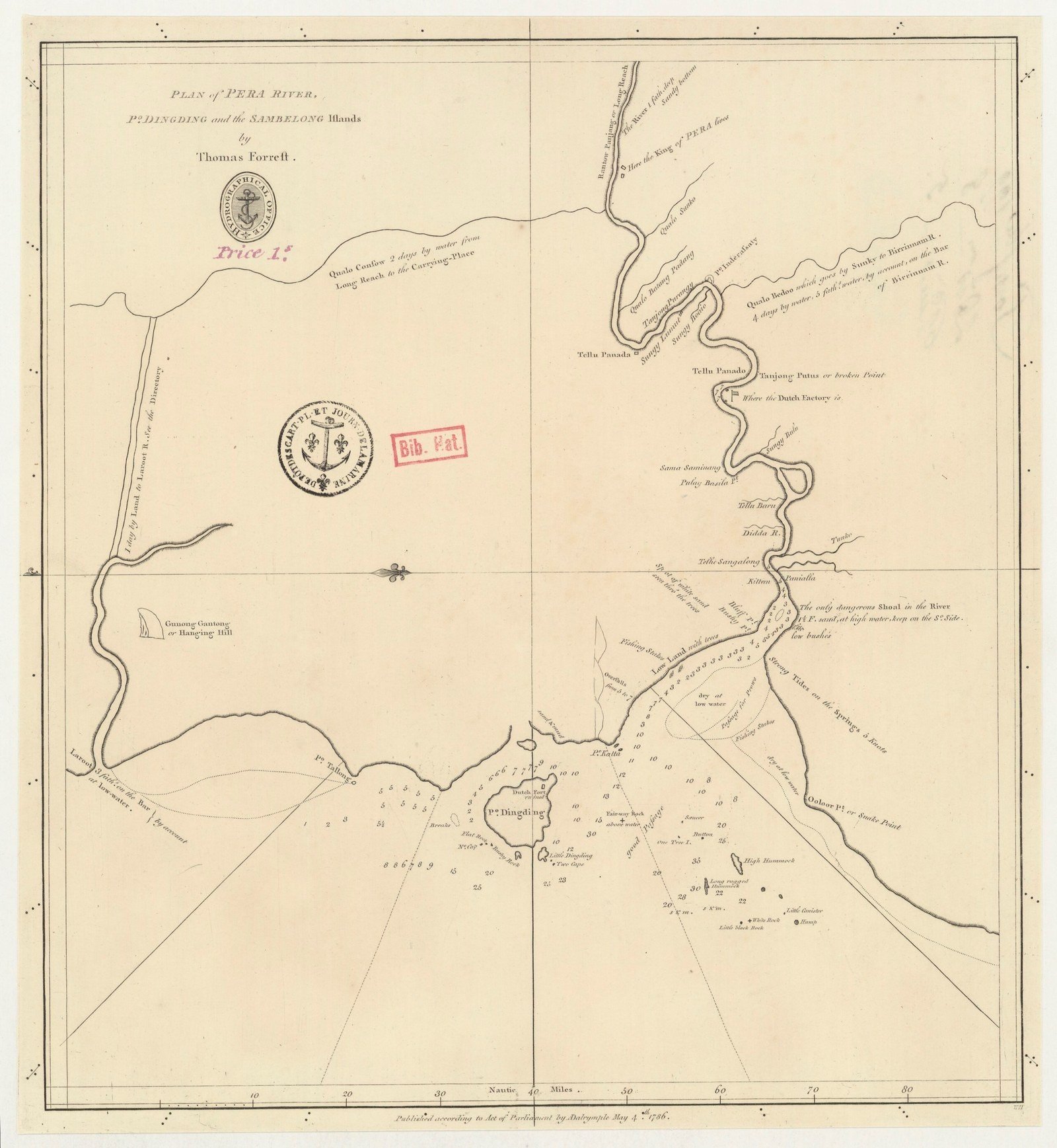
A RIVER ON A 1786 CHART
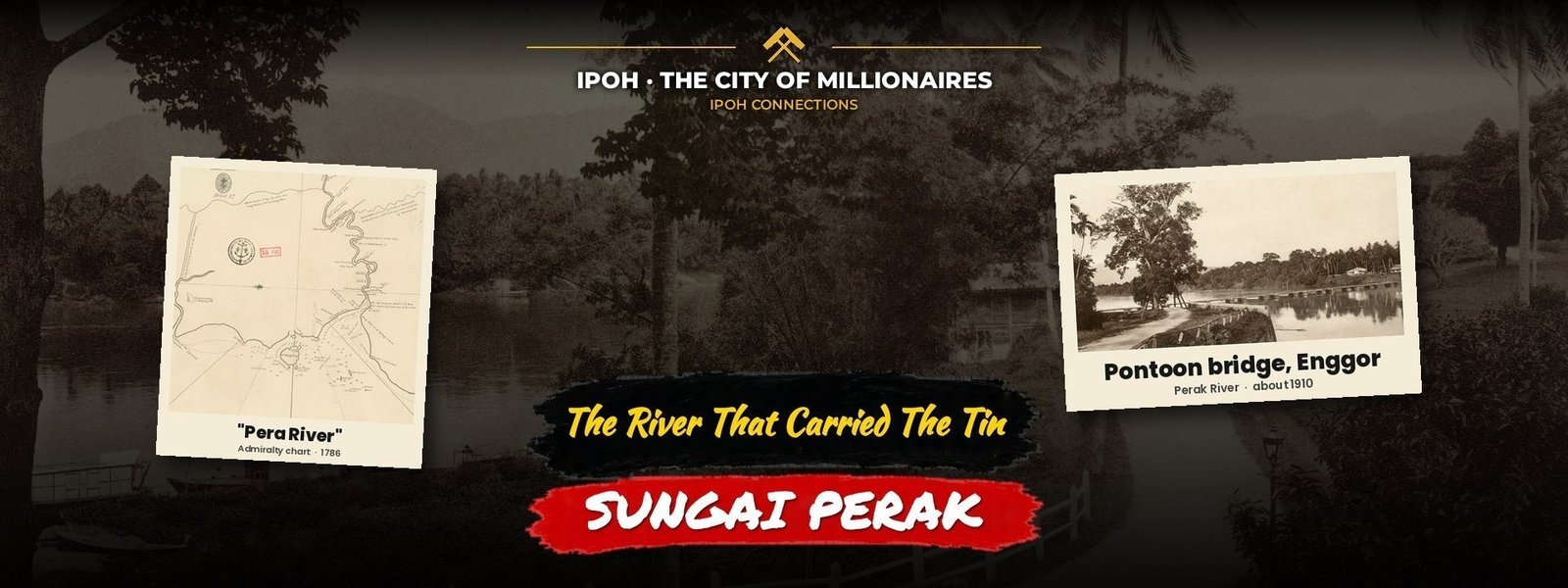
European sailors knew the river long before they knew Ipoh. A British Admiralty chart published in 1786 marks the mouth of the "Pera River", with "Pulo Dingding and the Sambelong islands" (today's Pangkor area).
For centuries, most of Perak's towns were on its banks. By one account, the Perak rulers held court in the Teluk Intan area for generations, until Kuala Kangsar became the royal town in 1877.
The river was where the power was.
THE HIGHWAY UP TO KINTA
Then came tin.
Kinta's tin fields were inland. Getting there meant water.
In our YLCO Families series, the YLCO Gallery's panels trace one such journey in 1892: a boat to Teluk Anson; a steam boat up the Perak River; a change to a smaller boat where the Perak and the Kinta meet; then up the Kinta to the landing at Kota Bharu, near Gopeng. The traveller, 17 by one account, was Chew Boon Juan, on his way to a tin-mine kitchen.
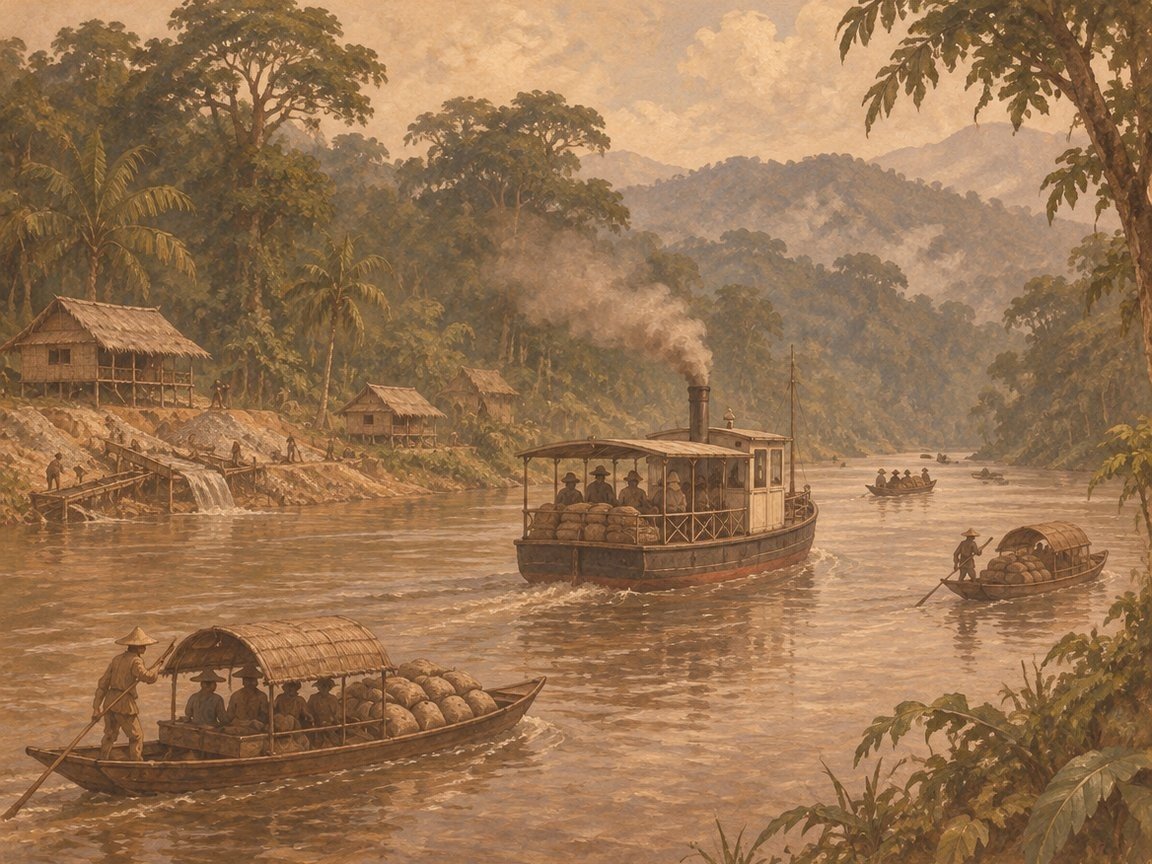
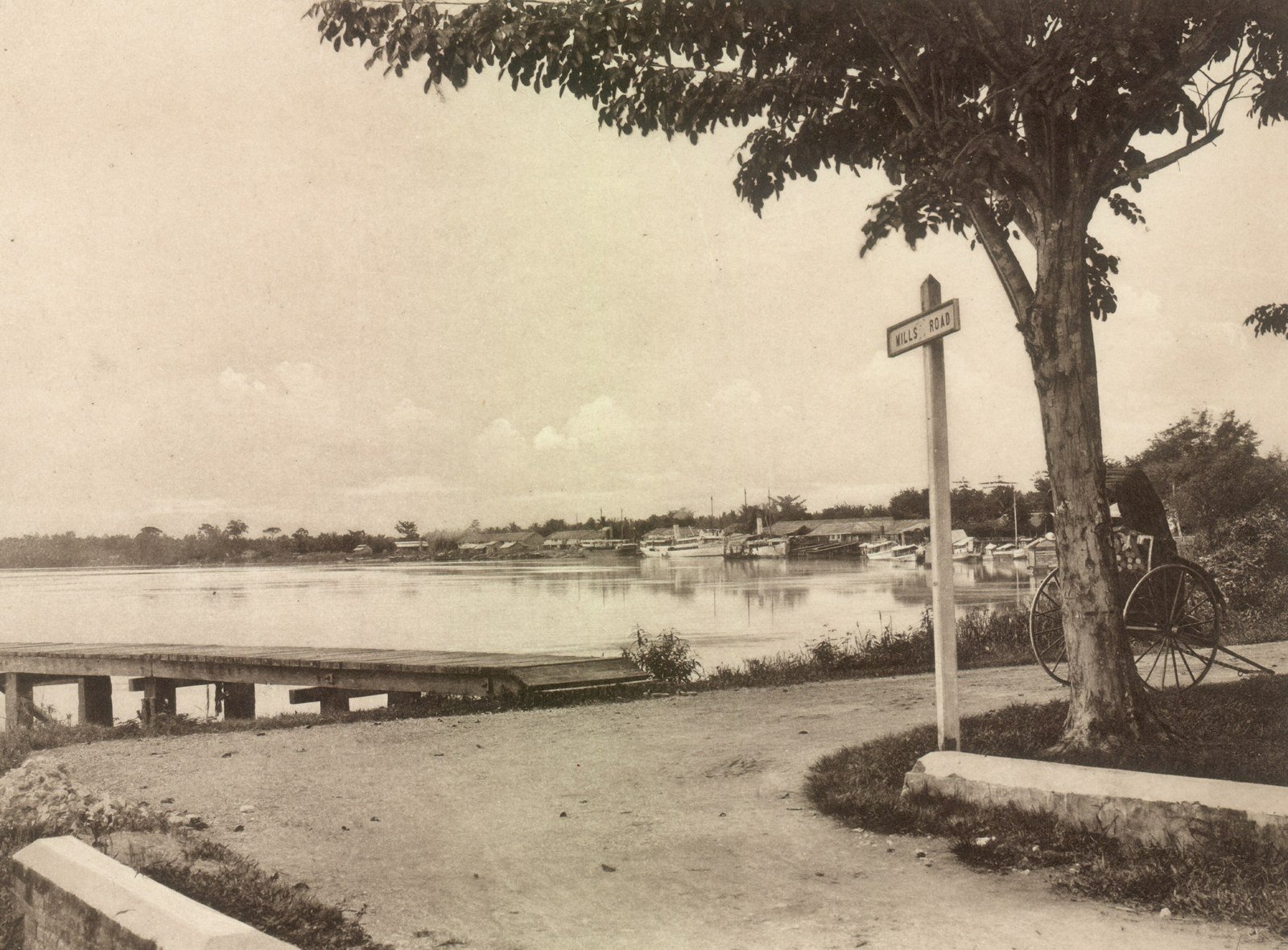
Tin came down the same way. Teluk Anson, planned in 1882 and named after the British officer who drew it up, grew into the port that shipped Perak's tin and produce.

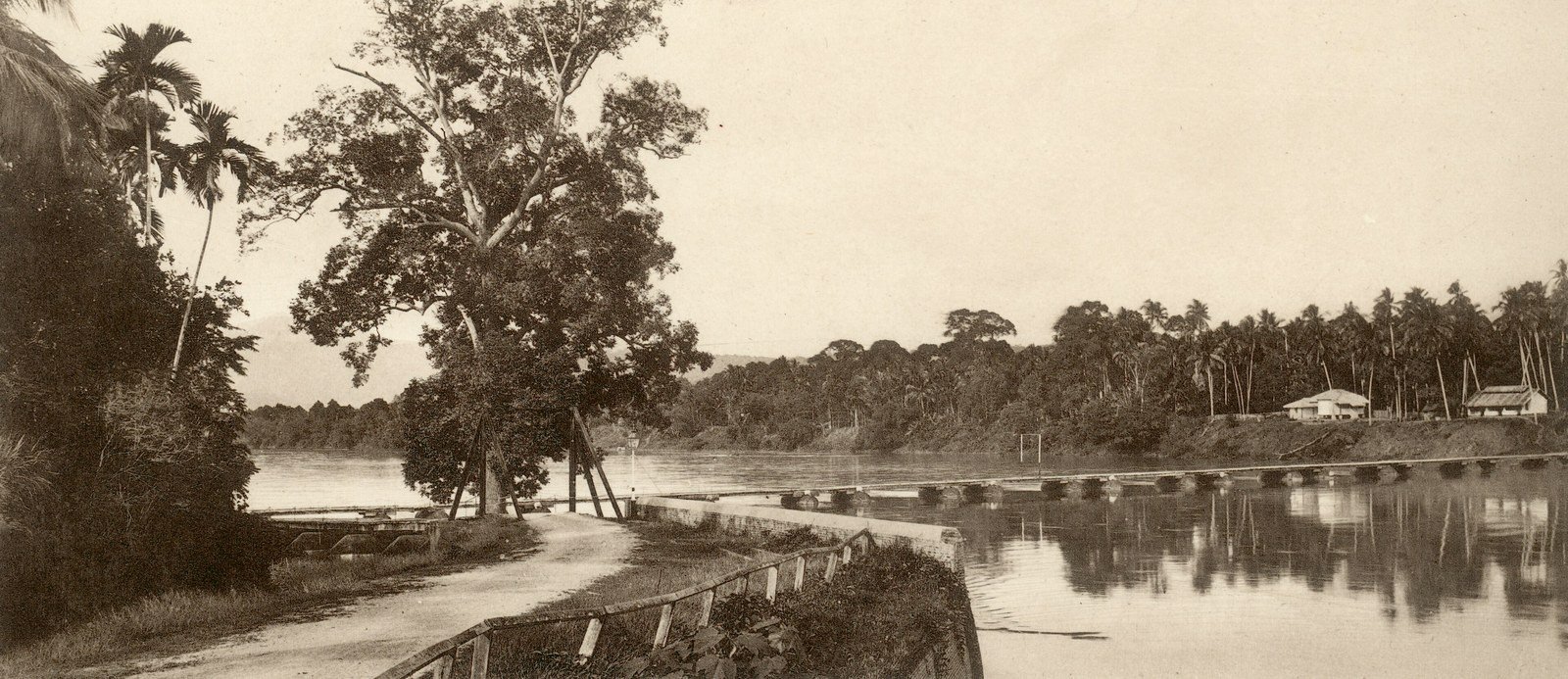
THE RIVER IN 1875
The river also carried Perak's darkest turning point of that century.
On 2 November 1875, the first British Resident of Perak, J.W.W. Birch, was killed at Pasir Salak, on the bank of the Perak River. The Perak War followed, and with it, British control over Perak's affairs grew. It is a history that is still read very differently by different Malaysians, and we will not try to settle it here.
What matters for our story is where it happened. On the river, because that was where Perak lived.
KIPLING'S PERAK RIVER
The river even reached children's books in England.
In Rudyard Kipling's Just So Stories (1902), in "The Crab That Played with the Sea", a man complains that "once a day and once a night the Sea runs up the Perak river and drives the sweet-water back into the forest", flooding his house.
It is a fable. But Kipling was right about one thing: on the Perak River, the tides, the water and the boats decided how things moved.
THE TURNING POINT: THE RAILWAY
And then the boats lost.
The Perak Railway's tracks reached Ipoh, and its first station was built around 1894. The line from Tapah to Teluk Anson linked the trains to the river port.
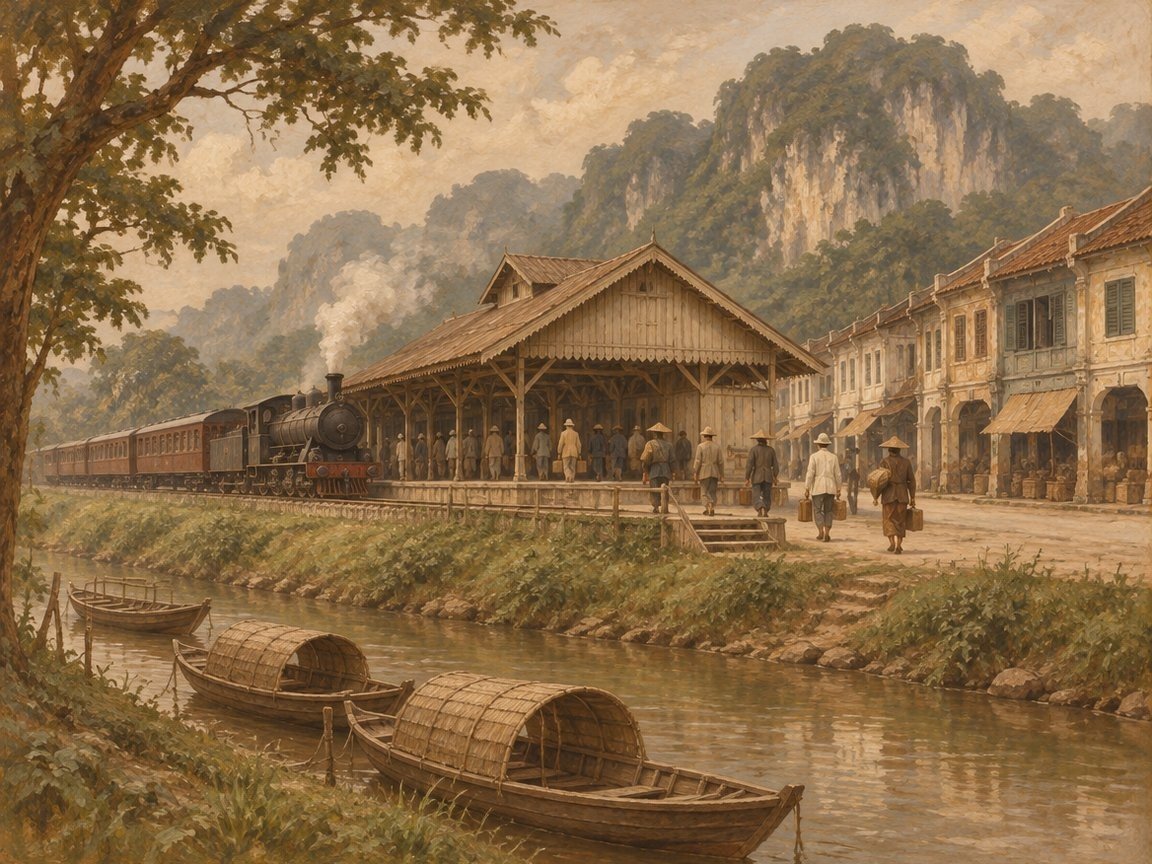
Tin that had once needed a boat and a tide could now go by rail, all year round, from the middle of the valley. Merchants, banks and towkays moved to where the trains stopped.
That was Ipoh.
SO WHY DOES IPOH OWE THE PERAK RIVER SO MUCH?
Back to our question.
Because before there was a railway, the river was the only way in and the only way out. It brought the miners up to Kinta and carried their tin down to the sea. Without it, the tin rush could not have started.
Then the railway let the money settle in the middle of the valley, and the middle of the valley was Ipoh.
The river built the road. Ipoh built the city at the end of it.
THE MILLIONAIRE LESSON
As the founder of Ipoh – The City of Millionaires, here is what I want every student, parent and young entrepreneur to take from the Perak River.
Your product is only as good as your route to market. Kinta had some of the richest tin ground in the world, but it was worth nothing until it reached the sea. The people who controlled the routes, first the river and then the railway, shaped where the money went. In my book, The You Economy, I wrote about how digital media changed the way we do business; today the routes are online. Find yours.
Where did your family first arrive in Perak, and how did they get there? Tell us
A river that carried a valley's fortune to the sea.
Ipoh shaped their story. Whose story will Ipoh shape next?
Sources: published geography and histories of the Perak River and Teluk Intan; the YLCO Gallery's story panels; published histories of the Perak Railway and the Perak War; Rudyard Kipling, Just So Stories (1902).
This story carries our Ipoh Connections label, for people whose stories run through Ipoh and Perak. It is part of Ipoh Stories, our City of Millionaires heritage series. At Rochford's International School in Ipoh, we believe history, character and critical thinking are best learned through real stories, including the stories of our own city.
Stories in this series are shared for informational and educational purposes. Where accounts differ, we say so. We respect all races, religions and cultures, and we do not represent or endorse any political party or movement.